








What's Happening?
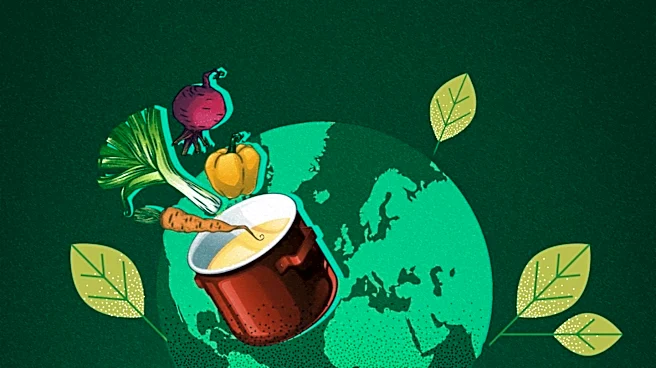
Climateflation describes the inflation caused by climate change, specifically through increased prices and volatility of goods linked to environmental shifts. This phenomenon primarily impacts food prices due to extreme weather events, such as droughts
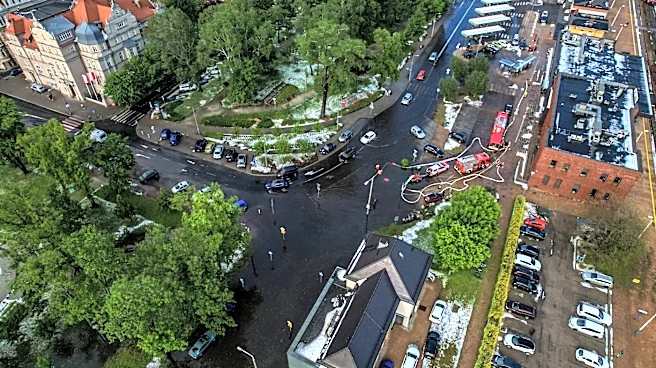
and heatwaves, which reduce agricultural yields. The term was first introduced by Isabel Schnabel, a member of the European Central Bank's Executive Board, in a 2022 speech, where she identified it as one of three energy-climate shocks, alongside fossilflation and greenflation. Climateflation highlights the direct economic consequences of climate change on daily expenses, including food, energy, and general living costs. Studies indicate that climate change already accounts for over $20 billion in annual crop losses, and its effects on food prices are projected to intensify. For instance, a reduced harvest caused by drought can limit the supply of agricultural products, leading to higher food prices that then ripple through the restaurant and industrial processing sectors, ultimately affecting consumer incomes.
Why It's Important?
The concept of climateflation is crucial for understanding the evolving economic landscape in the U.S. and globally. It signifies a fundamental shift in inflationary pressures, moving beyond traditional demand-driven factors to include environmental impacts. For U.S. consumers, this means a potential for sustained increases in the cost of living, particularly for essential goods like food. Industries reliant on agricultural products, such as food processing, retail, and hospitality, face increased operational costs and supply chain disruptions. The agricultural sector itself is directly vulnerable, with farmers experiencing reduced yields and financial losses due from extreme weather. This economic phenomenon could also influence monetary policy decisions, as central banks grapple with whether to 'look through' these climate-driven price spikes or intervene, potentially risking deeper economic losses without effectively curbing inflation. The long-term implications include potential shifts in consumer spending habits, increased demand for climate-resilient agricultural practices, and a greater emphasis on supply-side adjustments and adaptation strategies to mitigate these economic shocks.
What's Next?
As climate change continues, the impact of climateflation is expected to grow, leading to more frequent and intense price volatility, especially in the food and energy sectors. Policymakers and central banks will likely face ongoing challenges in distinguishing climate-driven inflation from other forms of inflation and determining appropriate responses. There may be increased pressure for coordinated fiscal and structural policies aimed at climate adaptation and strengthening supply chains to reduce vulnerability to weather shocks. Research suggests that the effects of temperature increases on food prices could be amplified by 30-50% by 2035. This could lead to a greater focus on developing drought-resistant crops, improving water management, and investing in sustainable agricultural technologies. Consumers may see continued price increases for certain food items, particularly those highly susceptible to climate variations, such as cereals, fruits, and vegetables. Businesses will need to adapt their sourcing and pricing strategies to account for these environmental risks, potentially leading to innovations in food production and distribution.
Beyond the Headlines
Climateflation underscores the interconnectedness of environmental health and economic stability, revealing deeper implications beyond immediate price hikes. Ethically, it raises questions about equitable access to food and resources, as climate-driven price increases disproportionately affect lower-income households. Legally, it could spur new regulations and international agreements focused on climate resilience in agriculture and supply chain management. Culturally, it may accelerate a shift towards more sustainable consumption patterns and a greater public awareness of the environmental footprint of food production. The long-term shift could involve a re-evaluation of economic models to integrate environmental costs more explicitly, moving towards a more holistic understanding of economic well-being that accounts for ecological limits. This phenomenon also highlights the need for robust early warning systems for climate-related agricultural risks and greater investment in climate science to better predict and prepare for future shocks. Ultimately, climateflation serves as a stark reminder that climate change is not just an environmental issue but a profound economic and societal challenge.