



What's Happening?
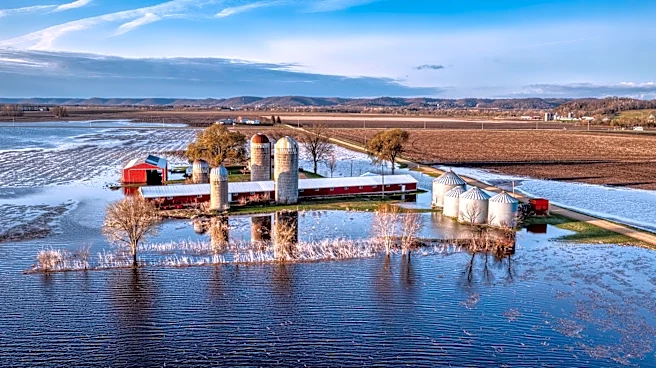
Kanawha County, West Virginia, is actively engaged in recovery efforts following severe flooding caused by recent torrential rains. Emergency officials are still assessing the full extent of the damage, urging the public to file additional reports to document
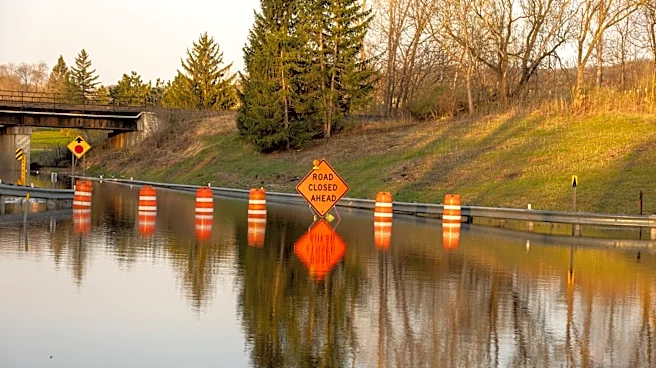
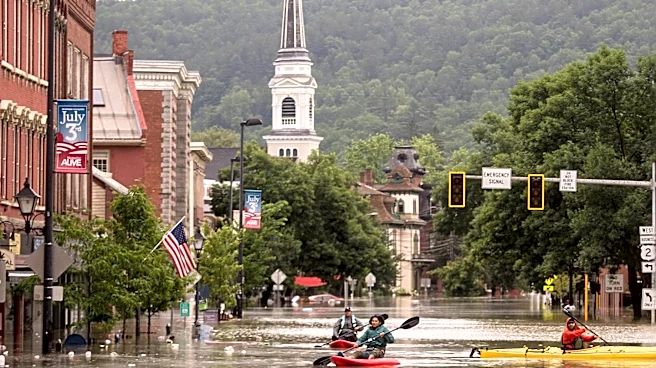
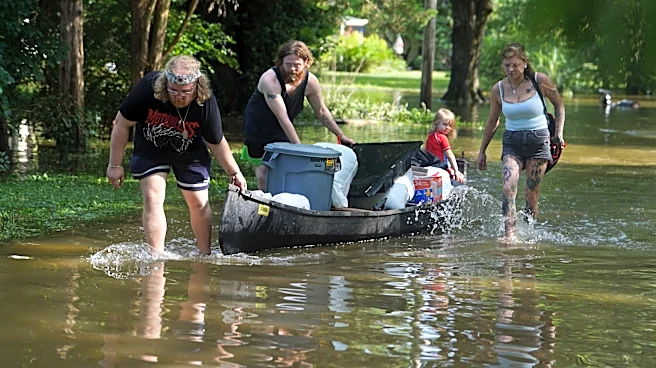
losses. The impact is particularly evident in eastern Kanawha County, affecting areas along Paint, Campbells, and Cabin creeks. Parts of Slaughter Creek Road remained submerged, and residents on Bays Drive in Campbells Creek are undertaking cleanup for what has become a recurring issue in recent years. Many residents, like Dave Brown, describe the process as "aggravating and tiring," suggesting creek dredging as a potential solution. Another resident, Randy Harper, reported significant losses, including four feet of water in his basement, damaging tools, a hot water tank, an electric box, and a sump pump, with potential damage to his furnace. While widespread, the current damage is not as extensive as some past floods, but it covers a broad area including Cross Lanes, Charleston, Campbells Creek, Cabin Creek, and Paint Creek. Heavy runoff persists in some locations, indicating saturated ground conditions across a large portion of the region.
Why It's Important?
The ongoing flood recovery in Kanawha County highlights the persistent challenges faced by communities in regions prone to severe weather events. The repeated flooding in areas like Campbells Creek underscores the long-term environmental and economic vulnerabilities for residents and local infrastructure. The call for public damage reports is crucial for securing potential state and federal aid, which can be vital for rebuilding and implementing preventative measures. The personal accounts of residents like Dave Brown and Randy Harper illustrate the significant financial and emotional toll these events take on individuals, leading to loss of property and essential household systems. The suggestion of dredging creeks points to a broader need for infrastructure improvements and flood mitigation strategies to protect communities from future disasters. The widespread nature of the damage, even if less severe than previous incidents, indicates a systemic issue that requires comprehensive planning and investment to enhance resilience against climate-related impacts.
What's Next?
Emergency officials in Kanawha County will continue to collect damage reports from the public, which is a critical step in quantifying the total impact and potentially qualifying for disaster relief funding. The ongoing assessment will inform decisions regarding resource allocation for cleanup and rebuilding efforts. Residents in affected areas will proceed with personal property recovery and repairs, facing the immediate challenges of replacing damaged items and restoring their homes. Local authorities may explore long-term solutions, such as creek dredging or other infrastructure projects, to mitigate future flood risks, as suggested by affected residents. The sustained heavy runoff indicates that the ground remains saturated, posing a continued risk for further localized flooding with additional rainfall. The community will likely focus on both immediate recovery and advocating for more robust flood prevention measures to safeguard against future occurrences.
Beyond the Headlines
The recurring flooding in Kanawha County points to deeper environmental and socio-economic implications beyond immediate damage. The "aggravating and tiring" nature of repeated cleanups can lead to significant mental health strain and community fatigue, potentially driving residents to consider relocation or facing diminished property values. The call for creek dredging highlights a common debate between natural river management and engineered solutions, with potential ecological impacts on local ecosystems. The disproportionate impact on certain areas, like Bays Drive, suggests underlying vulnerabilities in community planning or historical development patterns. This situation also raises questions about the adequacy of current infrastructure to handle increasingly intense weather events, potentially linked to broader climate patterns. The long-term economic stability of these communities could be jeopardized if effective, sustainable flood mitigation strategies are not implemented, leading to a cycle of damage and recovery that drains local resources and resilience.