






What's Happening?
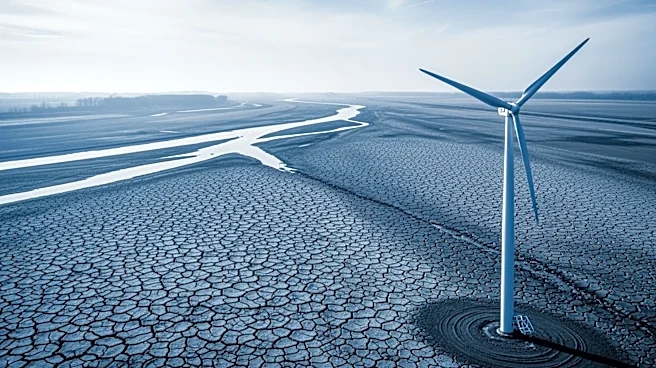
Norway is experiencing its driest winter in decades, leading to a significant reduction in snow reserves that are crucial for hydropower generation. This shortfall has resulted in a 25 terawatt-hour energy deficit, nearly a fifth of Norway's total hydropower output
last year. The lack of snow has forced companies to limit water outflows from reservoirs, impacting electricity exports to the UK and Germany and causing a surge in Nordic electricity prices. Norway's hydropower system, which typically meets domestic demand and allows for significant exports, is under strain due to the weather conditions. The situation highlights the vulnerability of weather-dependent energy systems, as noted by Kari Ekelund Thorud, executive vice president for energy at Norsk Hydro ASA.
Why It's Important?
The energy shortfall in Norway underscores the challenges faced by regions reliant on renewable energy sources that depend on specific weather conditions. The reduction in hydropower output has led to increased electricity prices in the Nordic region and reduced exports to major markets like the UK and Germany. This situation forces these countries to rely more on fossil fuels during peak demand periods, complicating efforts to reduce carbon emissions. The event also highlights the need for diversified energy sources and improved energy storage solutions to mitigate the impacts of climate variability on renewable energy supply.
What's Next?
As the winter season ends, the opportunity to replenish water reserves diminishes, raising concerns about energy supply stability in the coming months. The situation may prompt increased investment in alternative renewable energy sources and storage technologies to buffer against similar future events. Additionally, European countries may need to reassess their energy import strategies and consider more robust contingency plans to manage such disruptions.