



What's Happening?
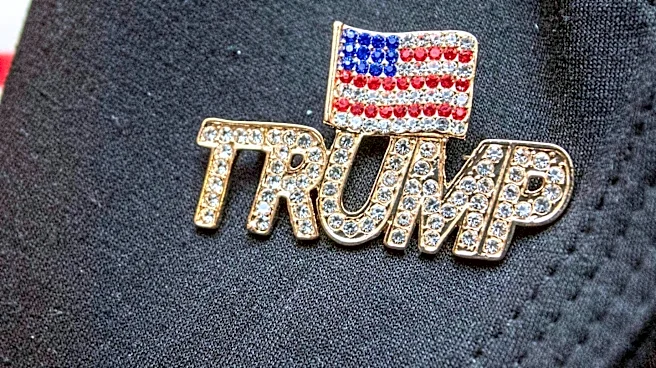
President Donald Trump has intensified his attacks on Democratic candidates by labeling them as 'jihadists,' a term he claims was suggested by a friend. During a White House event, Trump stated that 'jihadists' are being elected 'all over the place,'
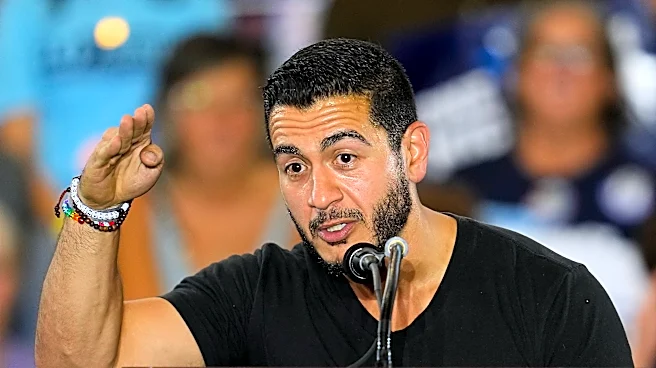
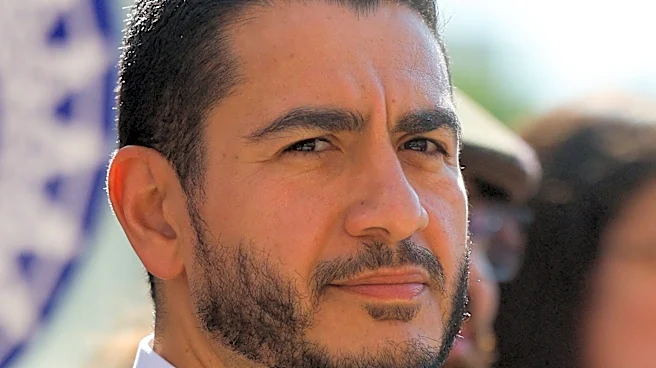
without specifying which candidates he was referring to. This rhetoric is part of a broader strategy to portray Democrats as anti-American, with particular focus on Michigan Senate candidate Abdul El-Sayed, whom Trump has criticized using Islamophobic language. Trump's comments reflect ongoing GOP efforts to associate Muslim candidates with extremist ideologies.
Why It's Important?
Trump's remarks have the potential to influence voter perceptions and contribute to a divisive political climate ahead of the midterm elections. By using the term 'jihadists,' Trump is tapping into anti-Muslim sentiments, which could impact the campaigns of Muslim and progressive candidates. This rhetoric also highlights broader GOP strategies to portray Democratic candidates as threats to American values, potentially affecting public policy and societal attitudes towards Muslim communities.
What's Next?
As the midterm elections approach, Trump's rhetoric is likely to continue, prompting responses from Democratic leaders and civil rights organizations. The impact of these comments on voter turnout and candidate support remains uncertain, but they could lead to increased scrutiny of Trump's language and its effects on political discourse.
Beyond the Headlines
Trump's use of the term 'jihadists' raises ethical concerns about the stigmatization of Muslim candidates and communities. This rhetoric may contribute to a climate of fear and prejudice, challenging the principles of inclusivity and diversity in American politics. The long-term effects on Muslim representation and engagement in the political process could be profound, necessitating discussions on the responsibilities of political leaders in shaping public narratives.