



What's Happening?
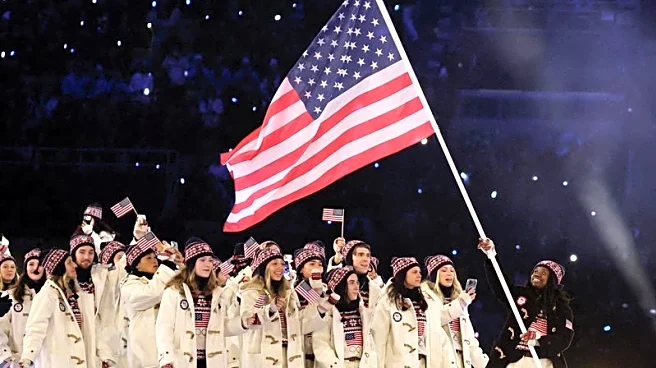
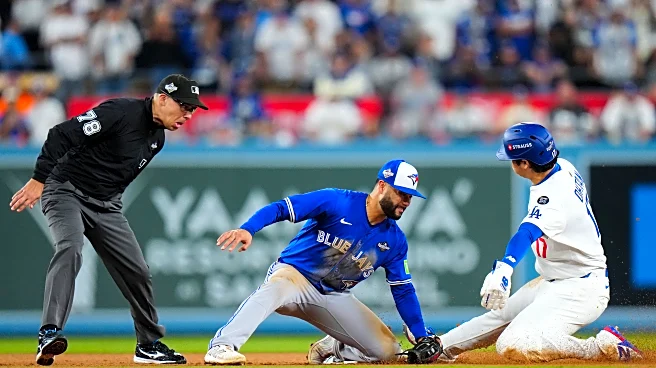
The Trump administration has directed U.S. embassies and consulates to prioritize visa applications for foreigners planning to attend major sporting events in the United States, such as the 2026 World Cup and 2028 Olympics. This initiative aims to facilitate
the entry of fans and investors, ensuring they can participate in these events. Additionally, new criteria have been introduced for highly skilled foreign workers applying for H-1B visas. These criteria focus on denying entry to individuals involved in the censorship of American citizens on social media. The State Department has mandated in-person interviews and screenings for visa applicants to assess potential national security risks, leading to longer wait times at embassies and consulates.
Why It's Important?
This policy shift underscores the administration's focus on controlling immigration while supporting economic and cultural events that showcase American excellence. By prioritizing visas for sports fans and investors, the U.S. aims to boost tourism and economic activity associated with these events. However, the new criteria for skilled workers could impact the tech industry, which relies on international talent. The emphasis on censorship could deter foreign professionals from countries with strict content moderation policies, potentially affecting U.S. companies' ability to recruit top talent. This move reflects broader geopolitical tensions and the administration's stance on free speech and digital rights.
What's Next?
The administration's approach may lead to increased scrutiny of visa applicants, particularly those from the tech sector. As the World Cup and Olympics approach, embassies will likely face pressure to expedite visa processing for fans and investors. The new criteria for skilled workers could prompt tech companies to reassess their hiring strategies and advocate for policy changes. Additionally, the focus on censorship may influence international relations, as countries with differing views on content moderation respond to these U.S. policies.