





What's Happening?
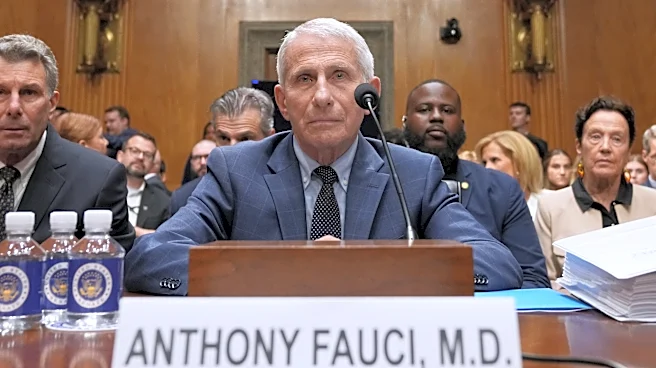
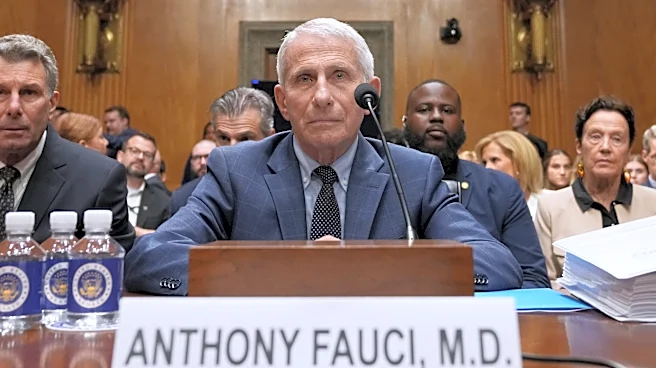
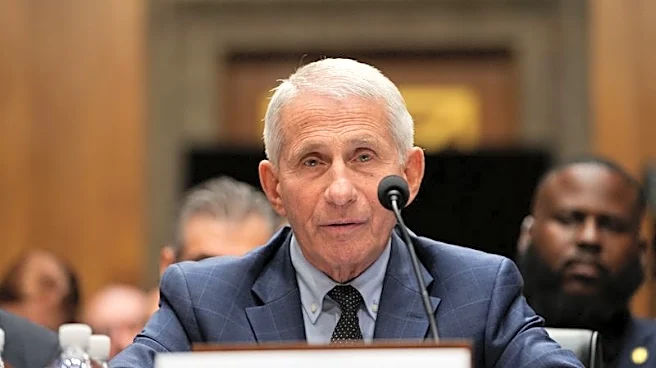
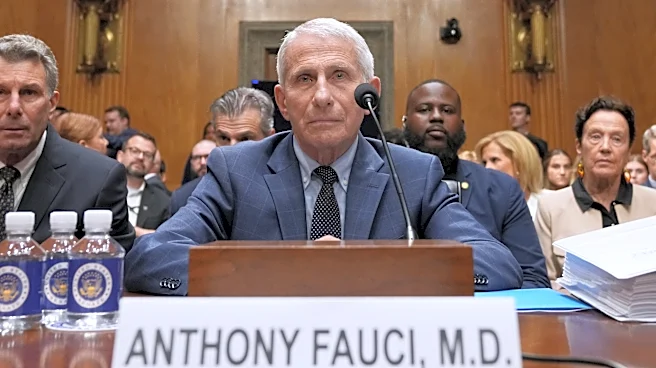
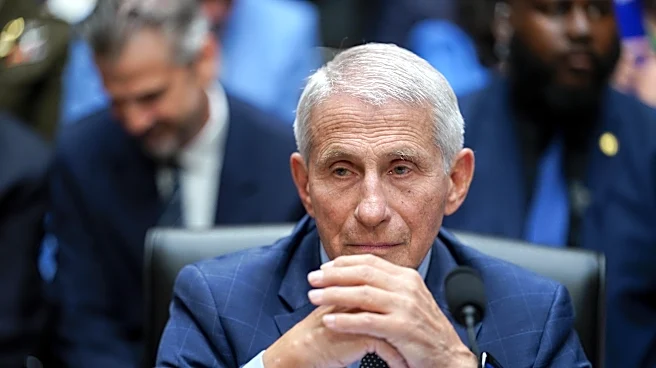
A recent Senate committee hearing has reignited the debate over the origins of COVID-19, focusing on the role of immunologist Anthony Fauci in the U.S. government's pandemic response. The hearing, led by Senator Rand Paul, revisited claims that the virus
originated from a lab in Wuhan, China, a theory supported by President Trump. Despite years of investigation, the hearing did not provide new insights into the pandemic's origins. The event underscored the deep partisan divides over the issue, with Republicans criticizing Fauci's handling of the pandemic and Democrats defending him. Fauci, who led the National Institute of Allergy and Infectious Diseases, has been a central figure in the U.S. response to COVID-19, though he had no direct authority to impose public health mandates.
Why It's Important?
The hearing reflects the ongoing political and public health challenges in the U.S. related to COVID-19. The debate over the virus's origins has significant implications for public trust in health agencies, which has reportedly declined since President Trump took office. The focus on Fauci highlights the broader political strategy of some Republicans to critique the government's pandemic response, potentially influencing upcoming elections. The hearing also raises concerns about the politicization of scientific discussions, which could deter experts from participating in government roles. The outcome of these debates may affect future public health policies and the credibility of scientific institutions.
What's Next?
As the debate continues, the focus may shift to the upcoming midterm elections, where the handling of the pandemic could be a pivotal issue. Republicans face challenges in maintaining control of Congress, and their stance on COVID-19 could impact voter sentiment. The ongoing scrutiny of Fauci and health agencies may lead to further hearings or investigations, potentially affecting future public health strategies. The scientific community may also continue to explore the origins of COVID-19, though conclusive evidence remains elusive. The political landscape will likely influence how these discussions evolve and their impact on public policy.
Beyond the Headlines
The hearing highlights the ethical and cultural dimensions of the COVID-19 debate, particularly the impact of political rhetoric on scientific discourse. The focus on Fauci as a scapegoat reflects broader societal tensions and the challenges of navigating public health crises in a polarized environment. The situation underscores the need for clear communication and collaboration between scientists and policymakers to address public health challenges effectively. The long-term implications may include shifts in how scientific expertise is valued and integrated into government decision-making processes.