


What's Happening?
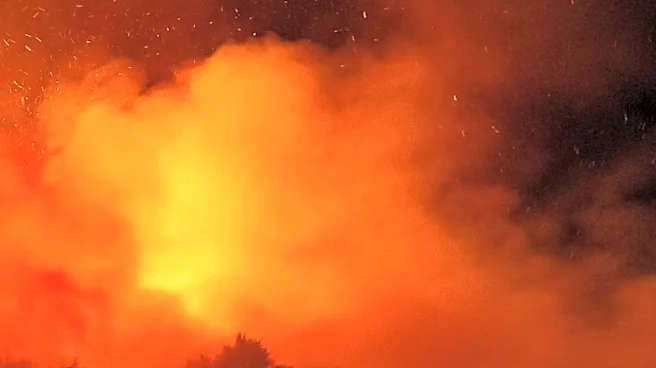
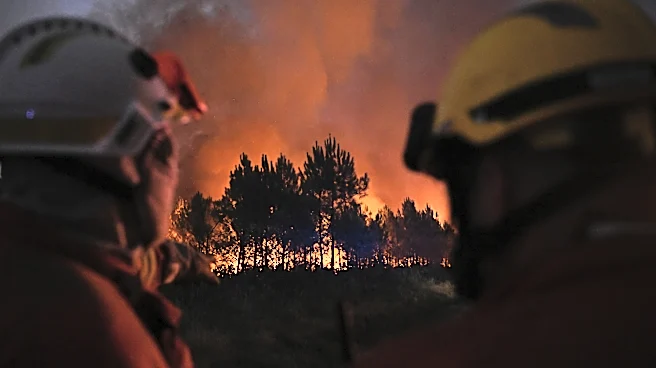
Recent claims by climate skeptics suggest that Europe is experiencing its 'quietest' year for wildfires in 2026. However, data from the European Forest Fire Information System (EFFIS) contradicts this, showing that the area burned by wildfires across
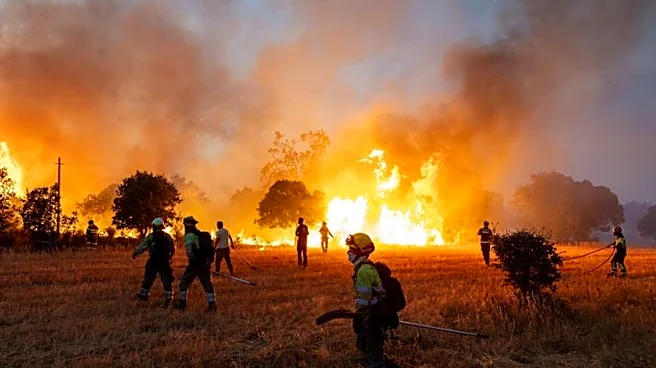
the European Union is second only to 2022 for this time of year. France, in particular, has set a new modern record for the area burned, with more than 220,000 people evacuated due to the Gironde fire, marking what may be France's largest peacetime evacuation. The fires follow a record-breaking June heatwave that dried out vegetation, facilitating the spread of fires. The misleading claims are partly due to data that includes Russia, where fires are below average, skewing the perception of wildfire activity in Europe.
Why It's Important?
The situation underscores the severe impact of climate change on wildfire activity in Europe, particularly in France and Spain. The fires have displaced hundreds of thousands of people and highlight the urgent need for climate action. Misleading claims about the severity of wildfires can undermine efforts to address climate change by downplaying the urgency of the situation. The record-breaking fires in France and significant wildfire activity in Spain serve as a stark reminder of the increasing frequency and intensity of such events, which are exacerbated by climate change. This has implications for public policy and the need for enhanced disaster preparedness and response strategies.
What's Next?
As wildfires continue to burn, European governments are likely to face increased pressure to implement more robust climate policies and improve fire management strategies. The ongoing fires may prompt further evacuations and require international cooperation to manage the crisis effectively. The situation may also lead to increased public awareness and demand for action on climate change, potentially influencing future policy decisions and international climate agreements.
Beyond the Headlines
The wildfires in Europe highlight the broader ethical and environmental challenges posed by climate change. The displacement of large populations due to fires raises questions about climate justice and the responsibility of developed nations to lead in climate action. Additionally, the fires' impact on biodiversity and ecosystems underscores the need for sustainable land management practices. The situation also illustrates the importance of accurate data and communication in shaping public perception and policy responses to climate-related events.