






What's Happening?
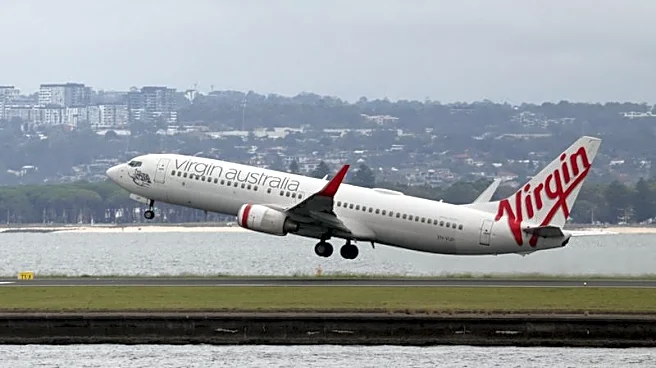
Qantas Group has announced a reduction in its planned domestic capacity expansion for the April-June quarter, scaling back by five percentage points due to rising fuel costs triggered by the conflict in the Middle East. Originally, Qantas intended to increase
domestic capacity by 4% year-on-year for the quarter, but now expects a 1% decrease. This adjustment affects both Qantas domestic and Jetstar flights. In response to strong demand for international travel to Europe, Qantas is reallocating capacity from the U.S. and domestic routes to increase flights to destinations like Paris and Rome. The airline's overall international capacity growth remains at 3% for the quarter. Qantas has hedged approximately 90% of its exposure to crude oil for the second half of the fiscal year but remains vulnerable to changes in jet refining margins. The airline estimates its second-half fuel costs will range between A$3.1-3.3 billion, up from a previous projection of A$2.5 billion.
Why It's Important?
The decision by Qantas to cut domestic flights and increase European routes highlights the significant impact of geopolitical events on global fuel prices and airline operations. Rising fuel costs can lead to increased ticket prices, affecting consumer travel behavior and potentially reducing demand. This situation underscores the vulnerability of airlines to external economic shocks and the need for strategic adjustments in response to volatile market conditions. The shift in capacity also reflects changing travel patterns, with increased demand for European destinations as travelers seek alternative routes. The broader economic implications include potential effects on tourism, business travel, and related industries, as well as the financial performance of airlines like Qantas, which may face challenges in maintaining profitability amid rising operational costs.
What's Next?
Qantas is closely monitoring the dynamic environment and may take further actions to mitigate fuel cost increases. The airline has put a planned A$150 million buyback on hold and will provide an update on its fiscal year outlook to June 2027 at a later date. The ongoing uncertainty in global fuel supply chains and the potential for further geopolitical developments could lead to additional adjustments in Qantas's operations. Stakeholders, including government bodies and fuel suppliers, are working with Qantas to ensure confidence in fuel supply for the coming months. The airline's future strategies may involve further capacity reallocations, fare adjustments, and financial measures to navigate the challenging economic landscape.