








What's Happening?
The federal government has awarded a $1.7 million no-bid contract to Green Water Solutions, a company owned by a Trump donor, to install a new water cleaning system at the Lincoln Memorial Reflecting Pool. The contract was granted under a rule for projects
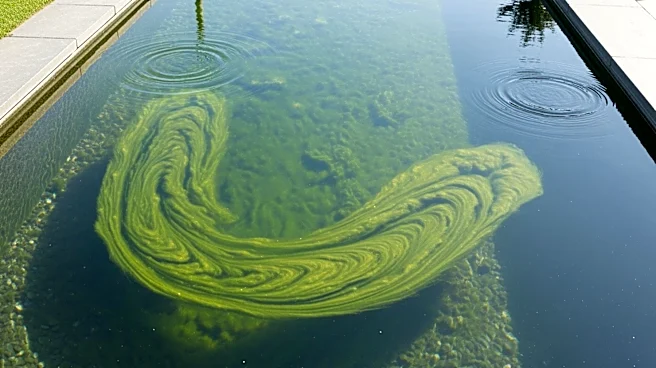
of 'unusual and compelling urgency,' aiming to complete the overhaul in time for the nation's 250th birthday on July 4. The Reflecting Pool, a century-old structure, has been plagued by algae blooms and a deteriorating filtration system. President Trump has shown personal interest in the project, including selecting the color of the sealant for the pool's floor. The Nano Bubble system, described as a specialized technology with limited suppliers, will replace the failing infrastructure. The contract has raised questions about potential conflicts of interest, given the owner's political donations and past legal issues.
Why It's Important?
This development highlights the intersection of politics and federal contracting, raising concerns about transparency and fairness in government procurement processes. The no-bid nature of the contract, awarded to a company with ties to President Trump, could fuel debates over favoritism and the influence of political donations on public projects. The Reflecting Pool is a significant national landmark, and its maintenance is crucial for historical preservation and tourism. The urgency cited for the contract underscores the importance of timely completion, but also raises questions about the criteria used to bypass competitive bidding. The situation may impact public trust in government operations and the perceived integrity of federal contracting practices.
What's Next?
As the project progresses, scrutiny from media and political opponents may increase, potentially leading to further investigations or calls for policy changes in federal contracting. The Department of the Interior, responsible for the contract, may face pressure to justify the decision and ensure the project's success. Any issues with the installation, such as the recent algae bloom and peeling sealant, could prompt additional oversight and adjustments. Stakeholders, including environmental groups and government watchdogs, may advocate for more transparent and competitive bidding processes in future projects.