


What's Happening?
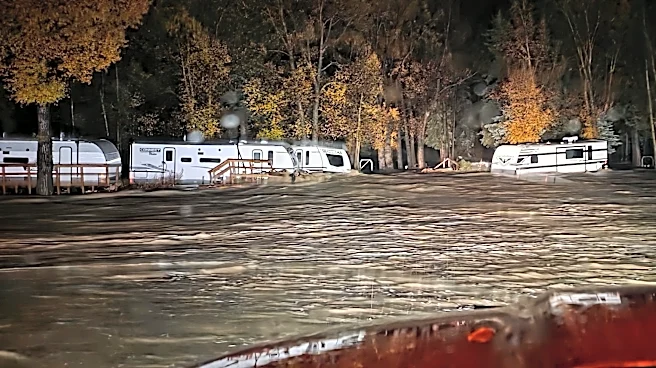
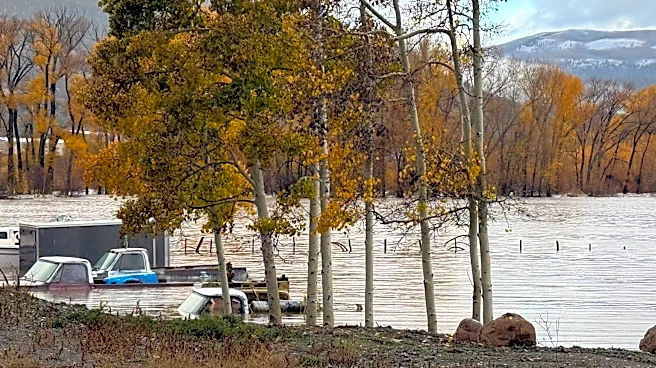
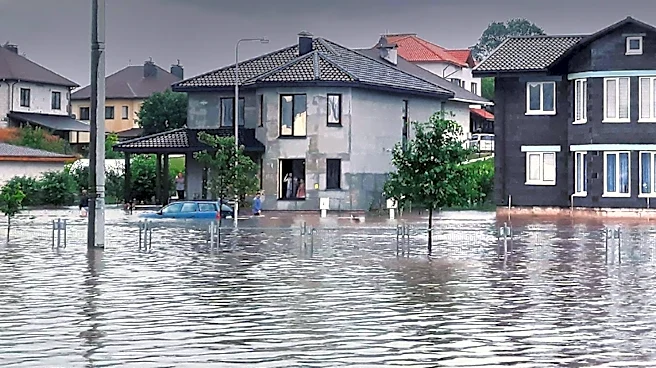
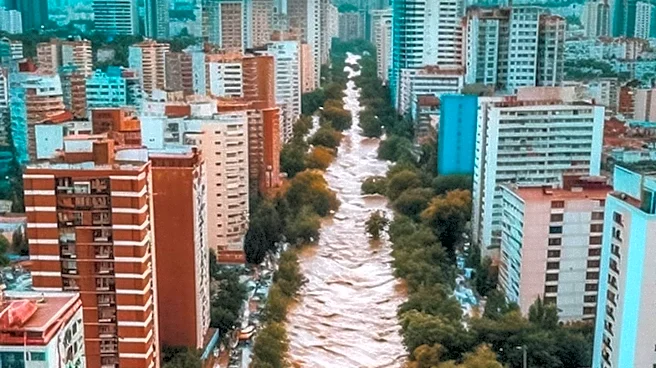
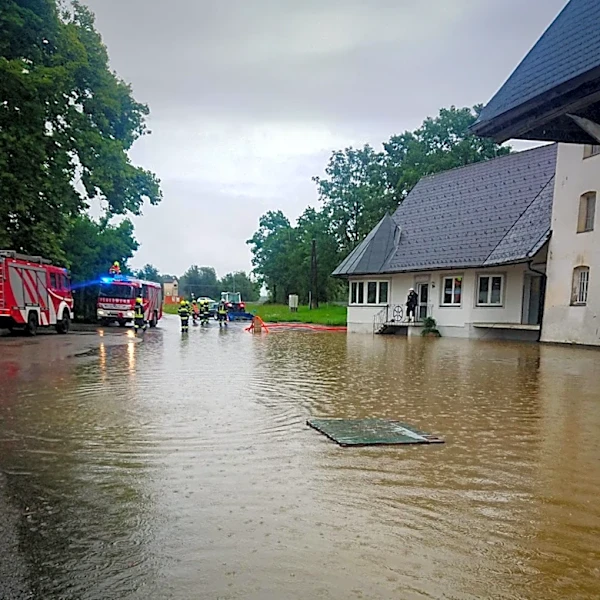
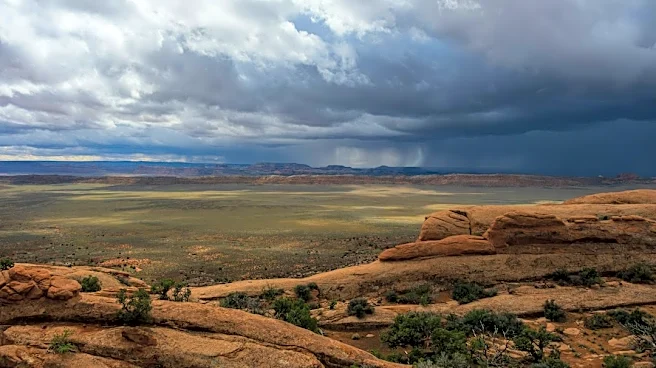
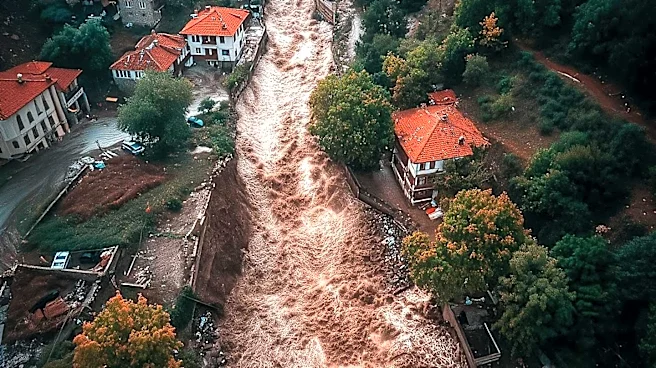
The U.S. Southwest states, including Colorado, New Mexico, and Arizona, are experiencing catastrophic and historic flooding due to heavy rainfall intensified by El Niño. Over the weekend, widespread rain caused significant flooding, with dangerous conditions
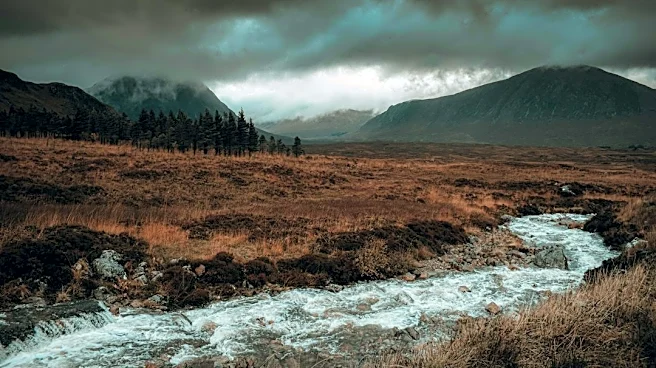
expected to persist. As of November 2nd, 11 rivers in Colorado and Arizona were either in or approaching major flood stage. In Archuleta County, Colorado, major flooding prompted evacuations and road closures, even affecting an election ballot drop box. The San Juan River in Colorado was predicted to crest significantly above its previous record. Some areas of southwestern Colorado have received over 9 inches of precipitation above normal during September and October 2026, according to the High Plains Regional Climate Center.
Why It's Important?
The severe flooding in the Southwest, exacerbated by El Niño, poses immediate threats to public safety, infrastructure, and local economies. Evacuations, road closures, and the potential for mudslides and rockfalls disrupt daily life and commerce. The damage to homes and public facilities will necessitate significant recovery efforts and financial resources. Beyond the immediate impact, the intensity of these weather events highlights the increasing vulnerability of communities to climate phenomena. The disruption of essential services, including the closure of an election ballot drop box, underscores how extreme weather can interfere with democratic processes. This situation also places a strain on emergency services and local governments, requiring coordinated responses and long-term resilience planning.
What's Next?
Forecasters predict continued considerable river flooding across parts of central Arizona, southwest Colorado, and northwest New Mexico through November 3rd, with additional rainfall expected in the Four Corners region. While drier weather is anticipated for Election Day, the lingering impacts of the heavy rain, such as road washouts and closures, will likely continue to affect travel and daily activities. Residents are advised to check local road conditions and avoid vulnerable areas. The long-term implications include potential increases in insurance claims, the need for infrastructure repairs, and ongoing discussions about climate change adaptation strategies. Scientists like Daniel Swain from the University of California Agriculture and Natural Resources emphasize that these extreme events are consistent with strong El Niño conditions, suggesting a need for enhanced preparedness for future occurrences.
Beyond the Headlines
The catastrophic flooding in the Southwest serves as a stark reminder of the profound and varied impacts of climate change and natural climate cycles like El Niño. The unusual warmth of Pacific Ocean waters, increased tropical cyclone activity, and a strengthened subtropical jet stream, all linked to strong El Niño conditions, are amplifying these extreme weather events. This situation underscores the interconnectedness of global climate patterns and local weather phenomena. The long-term implications extend to water management strategies in an already arid region, agricultural practices, and urban planning. Communities will need to invest in resilient infrastructure and early warning systems to cope with increasingly frequent and intense weather events, prompting a reevaluation of how human settlements interact with natural environmental forces.