





What's Happening?
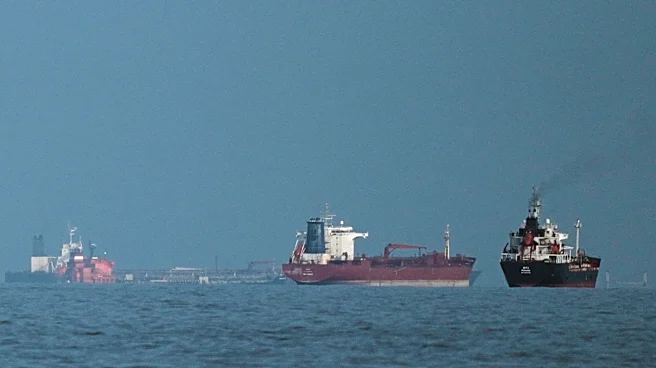
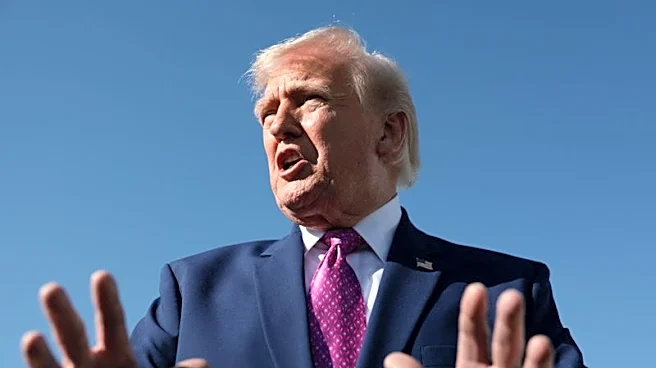
Iran's armed forces have condemned U.S. restrictions on shipping in the Strait of Hormuz, labeling them as illegal and akin to piracy. This follows President Trump's announcement of a blockade targeting vessels traveling to or from Iranian ports. The
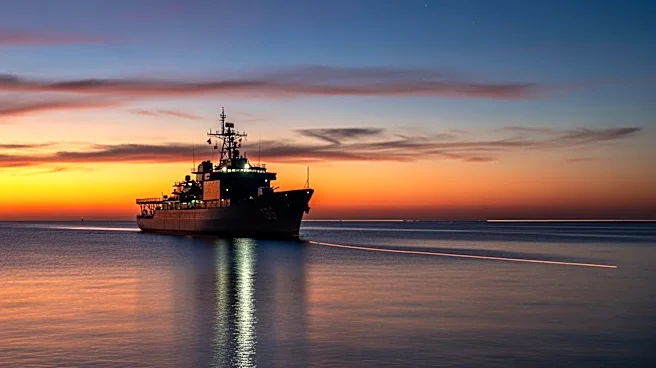
blockade, set to begin at 10 a.m. ET, comes after failed talks between Washington and Tehran. U.S. Central Command clarified that the blockade would not affect general shipping through the strait. The move could significantly impact global oil markets, as Iran exports substantial volumes of oil through this route. Analysts warn that blocking these shipments could tighten global supply, although large volumes of Iranian oil stored at sea may cushion immediate disruptions.
Why It's Important?
The Strait of Hormuz is a critical chokepoint for global oil and gas exports, with about 20% of these resources passing through it. The U.S. blockade could exacerbate global oil supply concerns, potentially leading to higher energy prices and economic strain. The situation underscores the geopolitical tensions affecting energy security and international trade. Countries like China and Britain have called for calm, emphasizing the need for stability in the strait. The blockade's impact on global oil markets could have far-reaching consequences, affecting energy prices and economic stability worldwide.
What's Next?
International reactions to the U.S. blockade have been cautious, with calls for restraint and dialogue. The potential for a ceasefire remains, but the risk of escalating tensions could disrupt global supply chains. The situation requires careful monitoring, as any closure of the strait could have severe implications for global energy markets. Countries involved in the conflict must navigate diplomatic channels to prevent further escalation and ensure the security of energy supplies.