
What's Happening?
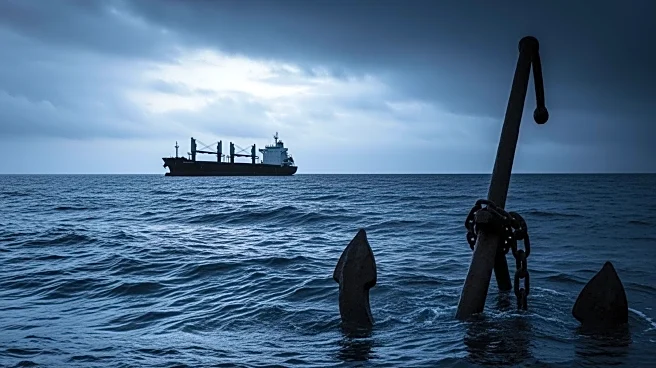
The ongoing conflict in the Black Sea region has led to a significant increase in war risk insurance costs for shipping companies operating in the area. Recent strikes by Ukrainian drones on Greek-owned
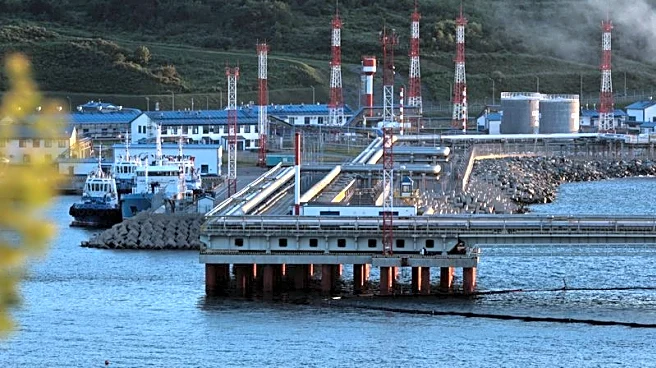
tankers near the Caspian Pipeline Consortium terminal have highlighted the growing risks. These tankers, which were compliant with Western sanctions, were targeted while picking up crude oil piped from Kazakhstan into Russia. Although the vessels sustained only minor damage and no injuries were reported, the incident marks a shift in Ukraine's targeting strategy, which previously focused on infrastructure and shadow-fleet tankers. The heightened risk has prompted Greece's shipping ministry to advise shipowners to reassess threats in the region. Insurance rates have surged, with costs reaching up to one percent of a vessel's hull value for port calls in Ukrainian or Russian ports, significantly impacting shipping operations.
Why It's Important?
The increase in war risk insurance costs has substantial implications for the shipping industry, particularly for companies operating in conflict zones like the Black Sea. High insurance rates serve as a deterrent to vessel traffic, potentially disrupting global oil supply chains and increasing operational costs for shipowners. This situation could lead to higher prices for oil and other goods transported through these routes, affecting global markets. Additionally, the shift in Ukraine's targeting strategy to include compliant vessels introduces new risks for Western insurance companies, which may need to reassess their coverage policies. The ongoing conflict and its impact on shipping insurance highlight the broader economic and geopolitical challenges faced by the industry.
What's Next?
Shipping companies and insurers are likely to continue monitoring the situation closely, adjusting their risk assessments and insurance rates in response to ongoing developments. The Greek shipping ministry's advisory suggests that further precautions may be necessary for vessels operating in the Black Sea. As the conflict persists, stakeholders in the shipping industry may seek alternative routes or strategies to mitigate risks and manage costs. The situation also underscores the need for diplomatic efforts to de-escalate tensions and stabilize the region, which could help reduce insurance costs and ensure the smooth flow of goods.