



What's Happening?
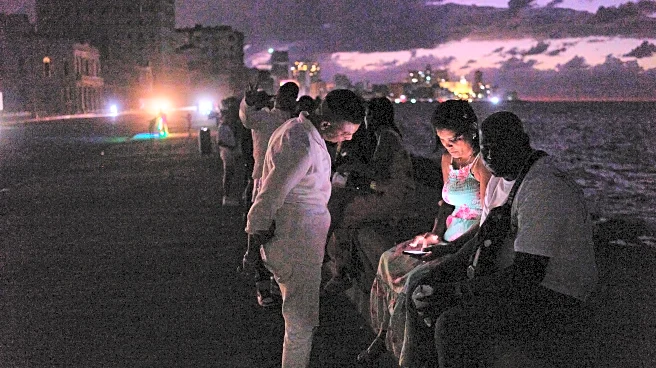
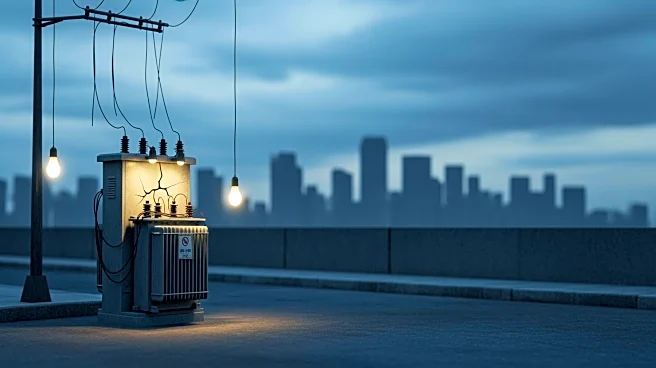
Cuba is experiencing severe blackouts due to a collapsing electrical grid, exacerbating economic hardships and threatening national stability. The outages have disrupted essential services, including hospitals and transportation, and have led to shortages
of food and medicine. While the Cuban government remains intact, prolonged blackouts could lead to increased public unrest and potential migration to the United States. The situation is further complicated by the potential for foreign influence, particularly from China, and the risk of criminal networks exploiting the instability.
Why It's Important?
The crisis in Cuba has significant implications for U.S. national security and immigration policy. A potential increase in migration from Cuba could strain U.S. border resources and impact domestic politics. Additionally, instability in Cuba could create opportunities for foreign powers to gain influence in the region, posing strategic challenges for the U.S. The situation also highlights the importance of maintaining regional stability and addressing humanitarian needs to prevent further deterioration.
What's Next?
U.S. policymakers face the challenge of managing the potential fallout from Cuba's crisis. This includes preparing for possible migration surges and monitoring foreign involvement in Cuba. Efforts to support a managed transition in Cuba could help stabilize the situation and prevent a chaotic collapse. The U.S. may also need to engage with international partners to address the humanitarian crisis and support Cuba's recovery.