


What's Happening?
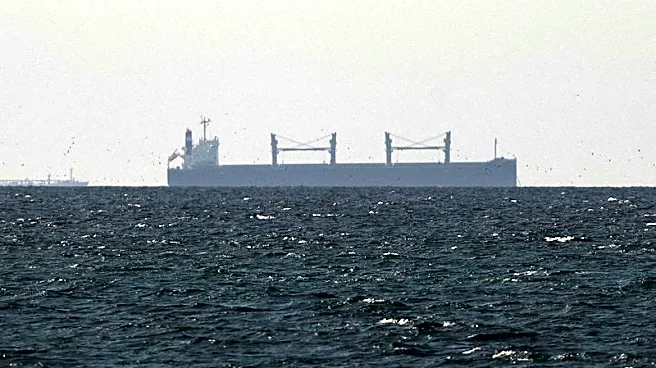
The ongoing conflict in the Middle East has significantly disrupted global trade, particularly affecting the aluminum and copper markets. The Strait of Hormuz, a critical chokepoint, has seen missile and drone strikes on major aluminum producers like
Emirates Global Aluminum and Aluminium Bahrain, leading to a shutdown of operations. This has resulted in approximately 3 million tons of annual capacity being offline, nearly half of the Middle Eastern output. The closure of the Strait is also choking off the flow of alumina, essential for aluminum smelting, causing prices on the London Metal Exchange to rise sharply. Meanwhile, copper faces a different challenge. While aluminum is experiencing a supply-driven rally, copper is at risk due to potential demand disruptions. Analysts warn that if oil prices exceed $150 per barrel, it could significantly slow global growth, reducing industrial demand for copper. This could shift the copper market from a deficit to a surplus, affecting prices and mining companies' earnings.
Why It's Important?
The disruption in aluminum and copper markets due to the Middle East conflict has broad implications for global trade and economic stability. Aluminum shortages are driving up prices, impacting industries reliant on this metal, such as automotive and construction. Companies like Alcoa Corporation and Century Aluminum Company have seen their shares rise due to the supply constraints. Conversely, the potential surplus in the copper market could lead to price drops, affecting mining companies' profitability. High-cost producers may face significant earnings declines, while lower-cost operators might better withstand the downturn. The situation highlights the vulnerability of global supply chains to geopolitical conflicts and the interconnectedness of energy and commodity markets.
What's Next?
The ongoing conflict and its impact on the aluminum and copper markets are likely to continue influencing global trade dynamics. Stakeholders, including governments and businesses, may need to explore alternative supply routes and sources to mitigate the disruptions. Monitoring oil prices will be crucial, as further increases could exacerbate the demand challenges for copper. Additionally, companies may need to adjust their strategies to cope with rising input costs and supply chain disruptions. The coordinated efforts by international institutions to monitor the crisis's effects on low-income countries and fragile supply chains will be essential in managing the broader economic impact.