
What's Happening?
Spanish Prime Minister Pedro Sánchez has committed to a comprehensive investigation following a deadly train collision in southern Spain that killed at least 40 people. The crash, which occurred near Adamuz,
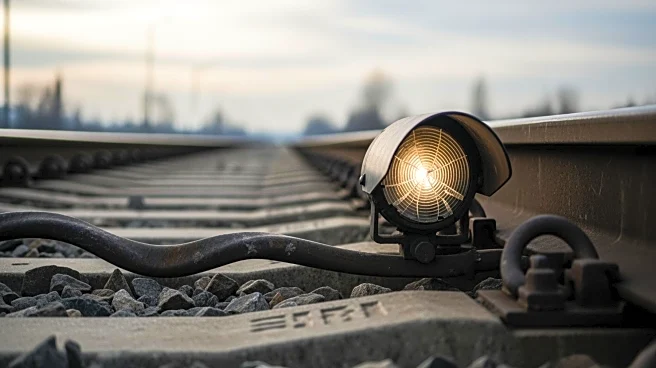
involved two high-speed trains colliding after one derailed. The incident has been described as Spain's worst rail disaster in over a decade. The Spanish government has declared three days of national mourning. Rescue operations are ongoing, with efforts focused on recovering victims and determining the cause of the derailment. Initial reports suggest a possible fault in the track, but the investigation is still in its early stages.
Why It's Important?
The crash has significant implications for Spain's high-speed rail network, which is the largest in Europe. The incident raises concerns about rail safety and infrastructure maintenance, potentially prompting reviews and upgrades to prevent future accidents. The economic impact is also considerable, as the rail network is a vital part of Spain's transportation system, facilitating both domestic and international travel. The investigation's findings could influence rail safety regulations and standards, not only in Spain but also in other countries with similar high-speed rail systems.
What's Next?
The investigation into the crash is expected to take at least a month, with authorities focusing on the track's condition as a potential factor. The Spanish government has promised transparency in the investigation process. High-speed rail services between Madrid and southern cities are suspended until further notice, affecting thousands of passengers. The outcome of the investigation could lead to significant changes in rail safety protocols and infrastructure investments. Stakeholders, including rail operators and government agencies, will be closely watching the investigation's progress and its implications for future rail safety measures.