
What's Happening?
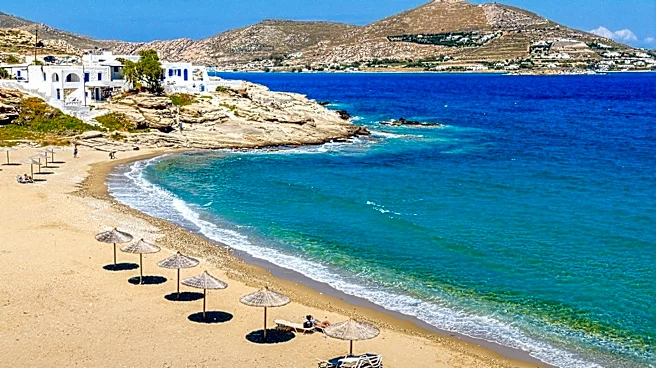
Greece is confronting a significant challenge with overtourism, particularly evident on its popular beaches in western Crete, such as Balos, Elafonisi, and Falassarna. These areas are experiencing intense
seasonal pressure due to record visitor numbers, which are straining fragile coastal ecosystems. Local authorities are responding by tightening visitor controls, including requiring reservations and limiting daily visitor numbers. For instance, Balos Beach is considering a proposed daily cap of 2,000 visitors, a figure significantly lower than its physical capacity but aligned with its ecological carrying capacity, estimated between 2,695 and 3,039 visitors per day. Measures also include restricting private vehicles in sensitive zones and reducing the number of commercial beach umbrellas. The island of Zakynthos also faces substantial overtourism, with an estimated 150 tourists for every resident in 2025, highlighting a severe imbalance between seasonal demand and the local population. These actions reflect a shift in philosophy from maximizing visitor spending to prioritizing environmental sustainability and managing human impact on protected environments.
Why It's Important?
The implementation of visitor caps and stricter controls in Greece's popular tourist destinations signifies a critical shift in global tourism management, moving away from unchecked growth towards sustainable practices. This trend is important for the U.S. travel industry and American tourists as it indicates a future where popular international destinations may require more advance planning, reservations, and adherence to local regulations. For U.S. tour operators and travel agencies, this means adapting itineraries and advising clients on new requirements, potentially impacting booking processes and travel experiences. The focus on environmental and cultural preservation could also influence American travelers' preferences, encouraging a greater demand for responsible and sustainable tourism options. Furthermore, the economic analysis suggesting that no country has become rich from tourism alone challenges the long-term viability of tourism-dependent economies, prompting a reevaluation of economic strategies in regions that heavily rely on U.S. tourism dollars.
What's Next?
For travelers, future visits to popular Greek destinations like Balos or Elafonisi will likely necessitate advance planning, especially during peak seasons like July and August. This could involve mandatory reservations, timed arrivals, and the use of shuttle transport, with restricted private vehicle access becoming increasingly common at fragile beaches. Visitors will need to check official destination information before traveling to protected coastal sites. The broader action plan, which includes precise visitor limits and reservation arrangements, is expected to be implemented ahead of summer 2027. Greece's approach to 'managed popularity' could serve as a model for other destinations grappling with overtourism, potentially leading to similar measures in other globally popular tourist spots. This shift will require transparent booking systems, consistent enforcement, and clear communication to avoid confusion for travelers and undue costs for local businesses.
Beyond the Headlines
The move by Greek authorities to cap visitor numbers and restrict access to natural sites like Balos Beach highlights a deeper ethical and environmental consideration in the global tourism industry. It underscores the tension between economic benefits derived from tourism and the imperative to preserve natural and cultural heritage. This development could trigger a long-term shift in how destinations worldwide perceive and manage tourism, moving towards a model that values ecological carrying capacity and local community well-being over sheer visitor volume. The emphasis on science-led visitor management, as seen in the Balos test case, suggests a growing recognition that environmental resilience is paramount. This could lead to a redefinition of 'success' in tourism, where sustainability and responsible travel become key metrics, potentially influencing international travel policies and consumer behavior towards more conscious and respectful engagement with destinations.