



What's Happening?
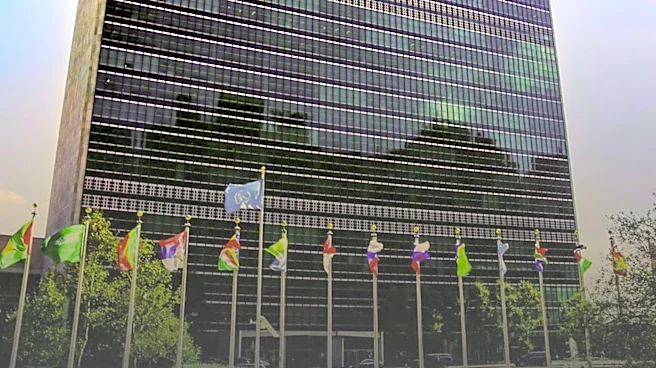
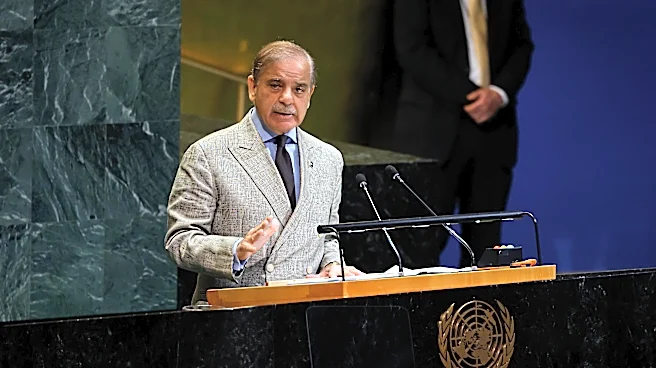
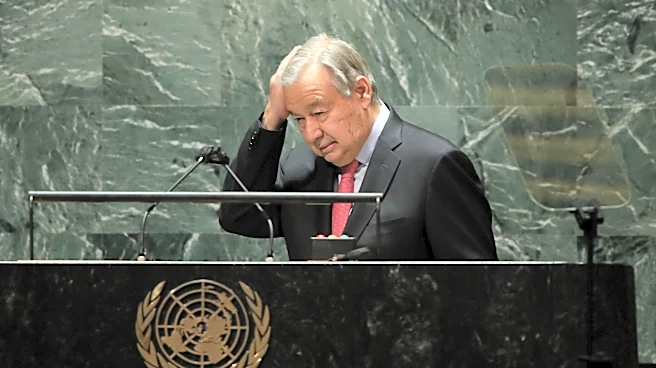
The United Nations has introduced the 2024 Pact for the Future, a comprehensive agenda aimed at multilateral reform. This initiative includes the Global Digital Compact and the Declaration on Future Generations, setting a broad framework for international
cooperation. The pact seeks to reconsider representation, digital governance, long-term global responsibility, and international taxation. Negotiations for a UN framework convention on international tax cooperation are slated for the 2025–2027 period. While these processes establish forums for critical discussions, they do not create a binding or comprehensive global constitutional order. The ultimate impact of these initiatives will depend on subsequent legal instruments, national implementation, financial commitments, review mechanisms, and the willingness of member states to accept meaningful accountability. The UN's efforts reflect a recognition that current global governance structures, largely established after World War II, are struggling to address contemporary challenges such as climate change, financial markets, migration, and digital networks, which transcend national borders.
Why It's Important?
The 2024 Pact for the Future is significant because it represents a concerted effort to update and strengthen global governance in an increasingly interconnected world. The current system is characterized by a mismatch between the global scale of problems and the predominantly national nature of institutions designed to address them. This fragmentation leads to inefficiencies and a lack of democratic accountability. The pact aims to foster a more coherent approach to global issues, potentially leading to better coordinated international responses to crises. By focusing on areas like digital governance and international taxation, the UN is attempting to create frameworks that can manage emerging global challenges. The success of these reforms could lead to a more equitable distribution of power among nations, particularly benefiting smaller states and the Global South, which have historically been underrepresented in global decision-making processes. Conversely, a failure to achieve meaningful implementation could further entrench existing inequalities and weaken the effectiveness of international cooperation.
What's Next?
The immediate next steps involve ongoing negotiations and discussions surrounding the various components of the Pact for the Future, particularly the Global Digital Compact and the Declaration on Future Generations. The scheduled negotiations for a UN framework convention on international tax cooperation between 2025 and 2027 will be a critical test of member states' commitment to these reforms. Stakeholders, including national governments, international organizations, and civil society groups, will be closely monitoring these developments. The willingness of powerful nations to cede some autonomy for the sake of collective global governance will be a key factor in determining the pact's success. Furthermore, the development of subsequent legal instruments and the establishment of robust national implementation plans will be crucial for translating the pact's ambitions into tangible outcomes. The UN will likely continue to advocate for increased financial commitments and accountability mechanisms to ensure the reforms are effective and sustainable.
Beyond the Headlines
The Pact for the Future delves into deeper implications concerning the nature of global sovereignty and the balance between national interests and collective global well-being. It implicitly challenges the traditional Westphalian system, where national states are the primary actors, by proposing a more polycentric model of governance. This model suggests that while national and local institutions retain responsibility, global institutions should establish minimum standards and coordinate worldwide problems, with regional organizations acting as an intermediate layer. This shift could lead to a re-evaluation of how international law is created, enforced, and perceived, moving towards a system where global norms and standards play a more significant role. Ethically, the pact emphasizes human development over state power or market efficiency as the primary purpose of global governance, suggesting a more human-centric approach to international relations. The long-term success of such an initiative could fundamentally alter the landscape of international cooperation, fostering a more integrated and accountable global order.