







What's Happening?
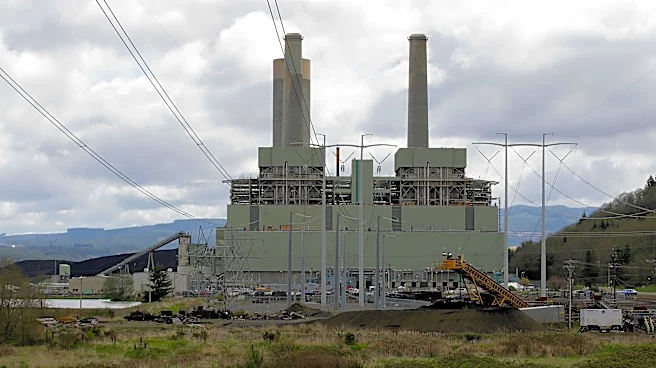
Governor Polis of Colorado has signed HB26-1226 into law, which mandates transparency in the costs of operating coal plants beyond their retirement dates and directs the Public Utilities Commission to approve new resources to meet the state's 2030 climate
targets. This legislation is a response to the Trump Administration's 202(c) orders, which require coal plants to remain operational past their scheduled closures. The law aims to support coal communities while reducing climate and air pollution. It also requires modern pollution controls for coal plants operating after 2033, aligning with Colorado's clean energy and climate objectives.
Why It's Important?
The new law represents a significant step for Colorado in maintaining its clean energy trajectory despite federal mandates that could increase costs and pollution. By ensuring transparency and accountability, the state aims to protect ratepayers from unnecessary expenses associated with outdated coal plants. The legislation also highlights the tension between state and federal energy policies, with Colorado asserting its commitment to reducing emissions and supporting a transition to renewable energy sources. This move could serve as a model for other states facing similar federal pressures.
What's Next?
Colorado will continue to work with stakeholders, including community members and energy companies, to implement the new law effectively. The state will focus on identifying high-risk areas and securing additional funding sources to support its clean energy initiatives. Legal challenges to the federal orders may also arise, as stakeholders seek to protect Colorado's energy future. The success of this legislation will be closely watched by other states and environmental groups as a potential blueprint for resisting federal overreach in energy policy.