


What's Happening?
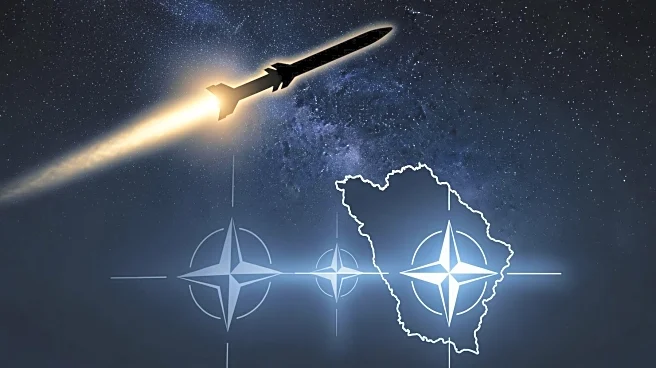
Tensions have escalated between Turkey and Iran following an alleged missile launch aimed at the Incirlik Air Base, a joint Turkish-US facility near Adana. According to reports, the missile, originating from Iran, was intercepted by NATO defenses over
the eastern Mediterranean before entering Turkish airspace. The incident has prompted Turkey to lodge a formal protest with Iran, asserting its right to respond to any hostile actions. While Iran has denied launching any missile towards Turkey, the situation has raised concerns about a potential escalation that could invoke NATO's mutual defense clause, Article 5.
Why It's Important?
The alleged missile incident underscores the fragile geopolitical dynamics in the region and the potential for conflict escalation involving NATO members. Turkey's strategic location and its role as a NATO ally make any threat to its security a matter of international concern. The invocation of Article 5, which calls for collective defense among NATO members, could have significant implications for regional stability and international relations. The situation also highlights the ongoing tensions between Iran and Western countries, particularly following recent US and Israeli military actions against Iran. The incident could influence diplomatic and military strategies in the region.
What's Next?
In the wake of the incident, diplomatic efforts are likely to intensify as Turkey coordinates with NATO allies to address security concerns. The potential activation of Article 5 remains a critical consideration, although current statements from NATO officials suggest a cautious approach. The situation may prompt further discussions within NATO regarding defense strategies and regional security measures. Additionally, the international community will be closely monitoring Iran's actions and responses to avoid further escalation. The incident could also impact ongoing negotiations and diplomatic engagements involving Iran and Western countries.