




What's Happening?
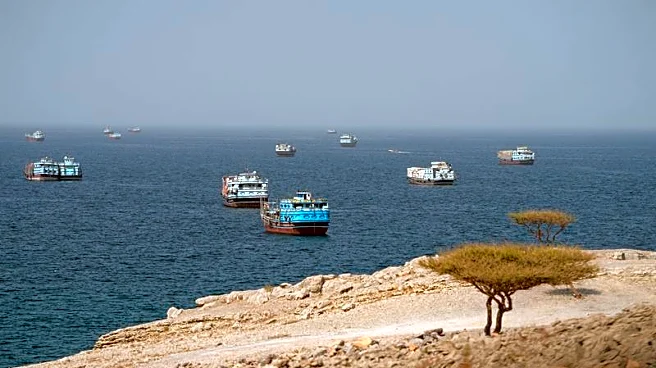
India is actively exploring diplomatic avenues to facilitate a Black Sea corridor for the safe movement of commercial shipping, particularly for food and grain exports. This initiative follows conversations with both Russia and Ukraine, aiming to address
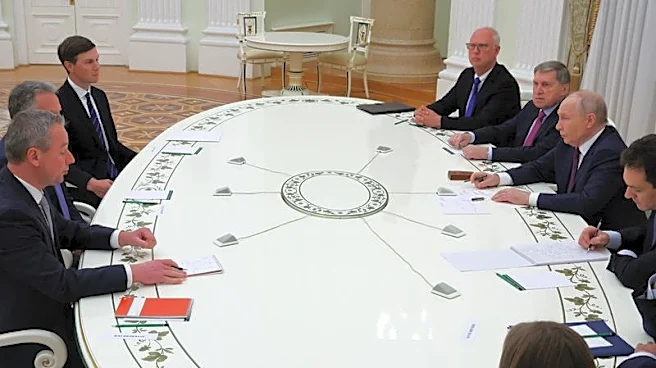
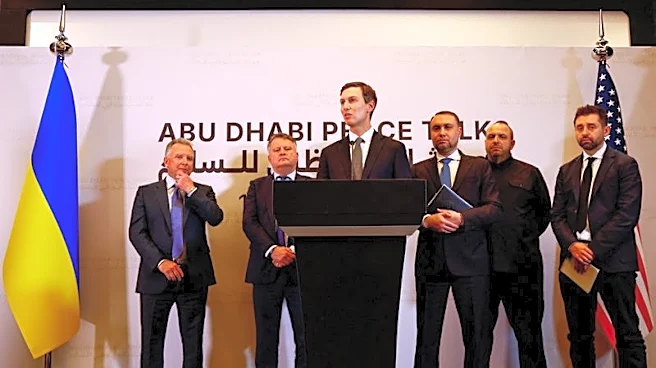
the persistent challenges posed by the nearly four-year-long conflict. The diplomatic push by New Delhi comes amidst ongoing efforts on multiple fronts, including trilateral talks involving Russia, Ukraine, and the United States in Abu Dhabi. Despite these discussions, significant disagreements over territory and the future of the conflict continue to make the path to peace uncertain. India's involvement signifies a more active diplomatic role in seeking a resolution to the war and its impact on global trade.
Why It's Important?
The establishment of a secure Black Sea corridor is crucial for global food security and economic stability. The ongoing conflict has severely disrupted grain exports from Ukraine, a major global supplier, leading to increased prices and potential shortages in various countries. India's diplomatic engagement could provide a much-needed neutral platform to de-escalate tensions and ensure the flow of essential commodities. Success in this endeavor would not only benefit Ukraine's economy by allowing it to export its agricultural products but also stabilize international food markets, preventing further humanitarian and economic crises. The involvement of a major global power like India could lend significant weight to the diplomatic efforts, potentially influencing both Russia and Ukraine to agree on a viable solution for maritime trade.
What's Next?
India will continue its diplomatic efforts, engaging with both Russia and Ukraine to find common ground for the Black Sea corridor. The success of these efforts will depend on the willingness of all parties to compromise and prioritize the humanitarian and economic implications of the disrupted trade routes. Further discussions and negotiations are expected to focus on the specifics of a secure corridor, including monitoring mechanisms and guarantees for safe passage. The outcome of these diplomatic initiatives will likely influence global food prices and the stability of international supply chains in the coming months. The international community will be closely watching to see if India's diplomatic leverage can lead to a breakthrough in easing Black Sea shipping tensions.
Beyond the Headlines
The Black Sea grain corridor issue highlights the intricate link between geopolitical conflicts and global economic stability. Beyond the immediate concerns of food supply, the disruption of this vital trade route underscores the vulnerability of international commerce to regional conflicts. India's diplomatic intervention also reflects a broader trend of emerging global powers taking on more active roles in resolving international crises, potentially reshaping traditional diplomatic landscapes. The long-term implications could include a re-evaluation of global supply chain resilience and the development of alternative trade routes, as well as increased pressure on international bodies to enforce maritime security in conflict zones.