



What's Happening?
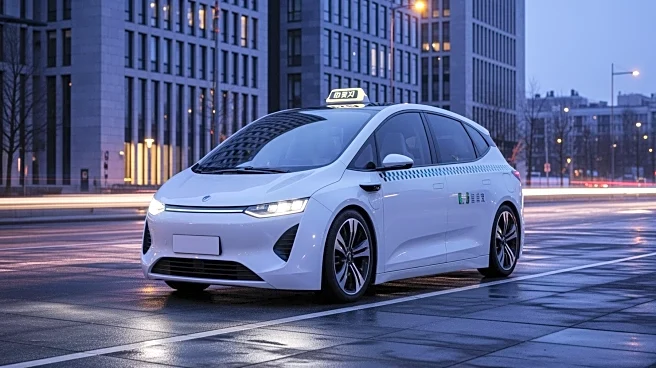
Waymo, a leader in autonomous vehicle technology, is set to launch its self-driving cars in Nashville, Tennessee. These vehicles, which have been in testing phases with backup drivers, will soon operate without human intervention, offering rideshare services
in select areas of the city. The Nashville police have been briefed on how to interact with these driverless cars, marking a significant step towards integrating autonomous vehicles into everyday traffic. This development follows months of mapping and testing by Waymo, indicating a shift from experimental phases to practical application in urban environments.
Why It's Important?
The introduction of self-driving cars in Nashville represents a significant advancement in transportation technology, potentially transforming the rideshare industry. This move could lead to increased efficiency and reduced costs for rideshare services, as human drivers are no longer required. However, it also raises concerns about job displacement for current rideshare drivers and the readiness of urban infrastructure to accommodate autonomous vehicles. The deployment of these cars could set a precedent for other cities, influencing public policy and regulatory frameworks surrounding autonomous vehicle operations.
What's Next?
As Waymo's self-driving cars begin operations, stakeholders will closely monitor their performance and public reception. Potential challenges include ensuring safety, managing traffic interactions, and addressing any technical issues that arise. The success of this initiative in Nashville could lead to broader adoption in other cities, prompting further discussions on regulatory measures and infrastructure adaptations. Public feedback and incident reports will likely influence future deployments and improvements in autonomous vehicle technology.