




What's Happening?
Hawaiian Electric has introduced three new mobile wildfire detection camera trailers in Maui County, enhancing the ongoing partnership with the Maui Fire Department. These trailers, equipped with telescoping cameras and communication equipment, can be
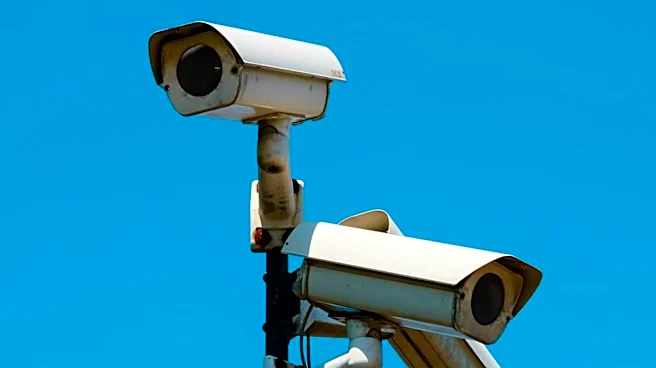
rapidly deployed to areas with elevated wildfire risk, providing crucial visibility for first responders. This initiative builds upon Hawaiian Electric's existing network of 49 fixed camera stations across Maui, Lanai, and Molokai, which utilize high-resolution cameras and artificial intelligence to detect smoke and alert authorities. The mobile units offer flexibility, allowing firefighters to monitor active wildfires, deploy in high-risk conditions, or cover areas not reached by fixed cameras. The cameras are designed for smoke detection, not personal monitoring, and their feeds are publicly accessible on the ALERTWest website, ensuring transparency. This deployment is a key component of Hawaiian Electric's comprehensive wildfire safety strategy, which also includes grid hardening, improved situational awareness, operational practices like Public Safety Power Shutoffs (PSPS), and strong community partnerships.
Why It's Important?
This collaboration significantly bolsters wildfire preparedness and response capabilities in Maui County, a region vulnerable to such events. The mobile camera trailers provide a dynamic tool that can adapt to evolving wildfire threats, offering real-time situational awareness that can drastically improve decision-making for firefighters. By enabling earlier detection and continuous monitoring, these cameras can help contain fires more quickly, potentially reducing property damage, environmental impact, and the risk to human lives. The public accessibility of camera feeds also fosters community engagement and transparency, allowing residents to stay informed during critical situations. This initiative exemplifies a proactive approach to disaster mitigation, demonstrating how utility companies and local emergency services can integrate advanced technology to enhance public safety and resilience against natural disasters. The partnership also highlights the importance of continuous training and coordination between these entities to ensure effective emergency response.
What's Next?
The mobile camera trailers are already being utilized, as demonstrated during Hurricane Nolo when one unit was deployed at Olowalu to monitor an active wildfire and identify a re-ignition. Hawaiian Electric and the Maui Fire Department will continue their year-round efforts in wildfire preparedness, including joint workshops, exercises, and training for fire and police recruits on electrical safety. The ongoing coordination with the Maui Emergency Management Agency (MEMA) and the Maui Police Department will further strengthen the integrated approach to emergency response. Future developments may include further expansion of the mobile camera fleet, integration with other advanced monitoring technologies, and continued refinement of operational protocols based on real-world deployment experiences. The success of this program could also serve as a model for other regions facing similar wildfire risks, encouraging broader adoption of mobile detection technologies and collaborative safety strategies.
Beyond the Headlines
The deployment of these mobile wildfire detection cameras represents a broader trend in disaster management: the increasing reliance on technology and data-driven approaches to enhance resilience. Beyond immediate fire suppression, this initiative contributes to a more informed and proactive community, fostering a sense of shared responsibility in wildfire prevention. The emphasis on privacy measures, ensuring cameras detect smoke rather than monitor individuals, addresses potential ethical concerns related to surveillance, building public trust in such technological deployments. This strategy also underscores the critical role of utility companies in public safety, extending beyond power delivery to include active participation in environmental protection and emergency response. The long-term implications could include the development of more sophisticated AI algorithms for early detection, predictive modeling for wildfire spread, and integrated communication systems that seamlessly connect various emergency services, ultimately creating a more robust and adaptive disaster management ecosystem.