





What's Happening?
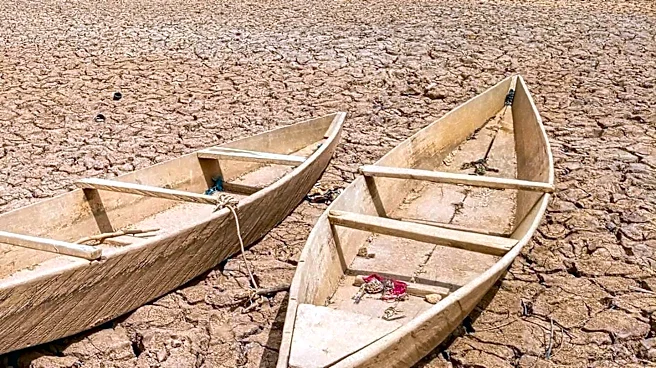
Mosquito populations in the Western and Midwest United States have experienced a significant decline, with some areas reporting a 50 to 70 percent reduction. This decrease is attributed to a historic drought exacerbated by climate change, which has affected
mosquito breeding grounds. Despite the decline, the long-term trend suggests an increase in suitable temperature conditions for mosquito breeding, potentially leading to future population rebounds. Researchers are exploring methods to manage mosquito populations, including biohacking and community initiatives. However, mosquitoes remain a persistent challenge, having been a part of human history for over a million years.
Why It's Important?
The decline in mosquito populations due to drought and climate change has significant implications for public health and the environment. While fewer mosquitoes may reduce the immediate risk of mosquito-borne diseases, such as West Nile virus, the concentration of mosquitoes around smaller water bodies during droughts can increase transmission risks. This paradox highlights the complex relationship between climate change and vector-borne diseases. The potential rebound of mosquito populations as climate conditions change underscores the need for effective management strategies to mitigate health risks and adapt to environmental changes.
What's Next?
As climate change continues to alter environmental conditions, researchers and public health officials must prepare for potential increases in mosquito populations and associated disease risks. Ongoing efforts to biohack mosquito reproductive abilities and implement community-based control measures will be crucial in managing future outbreaks. Additionally, monitoring climate patterns and their impact on mosquito habitats will be essential for developing adaptive strategies to protect public health.
Beyond the Headlines
The interplay between climate change, drought, and mosquito populations raises ethical and environmental considerations. Balancing the need for mosquito control with ecological preservation requires careful planning and community engagement. The long-term impacts of climate change on biodiversity and ecosystem services must be considered in developing sustainable solutions to manage mosquito populations and protect public health.