



What's Happening?
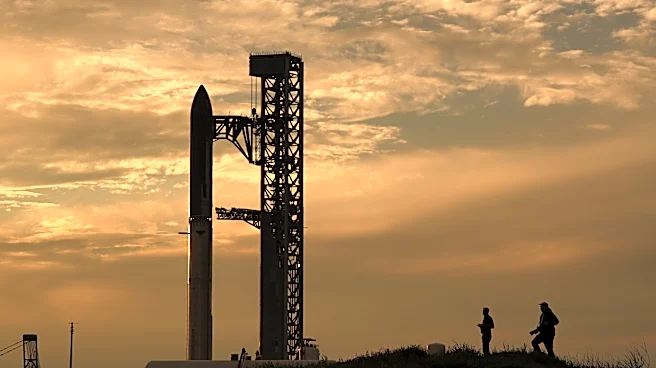
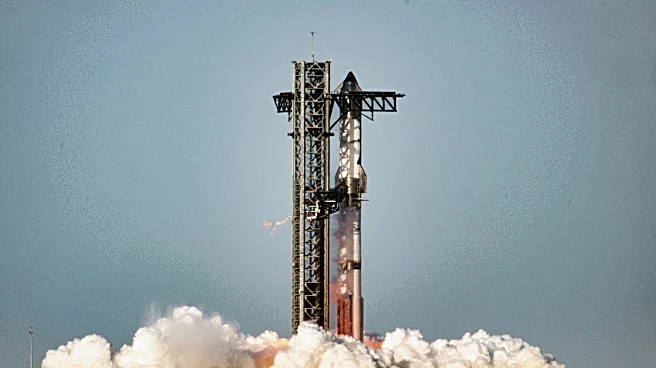
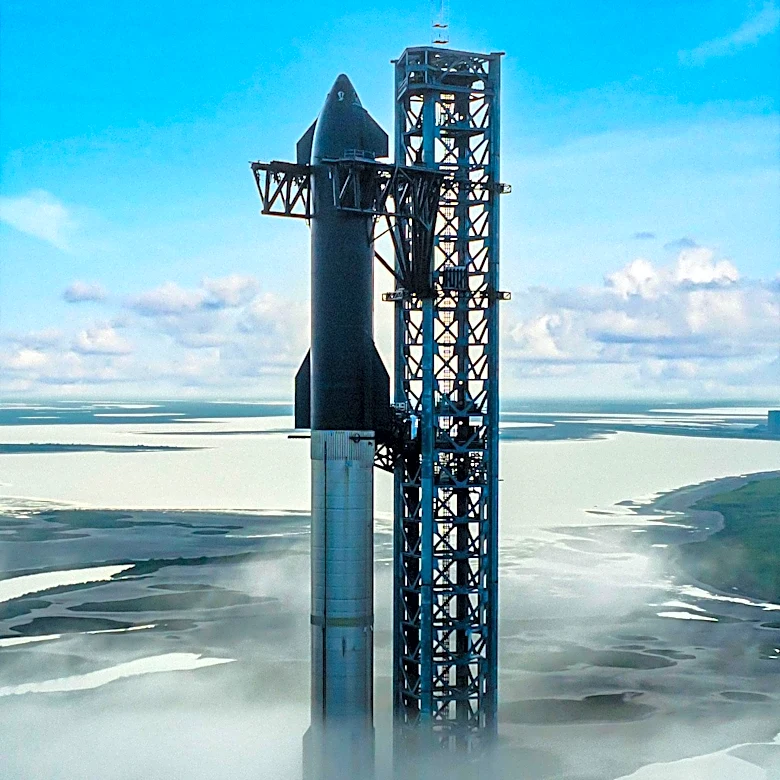
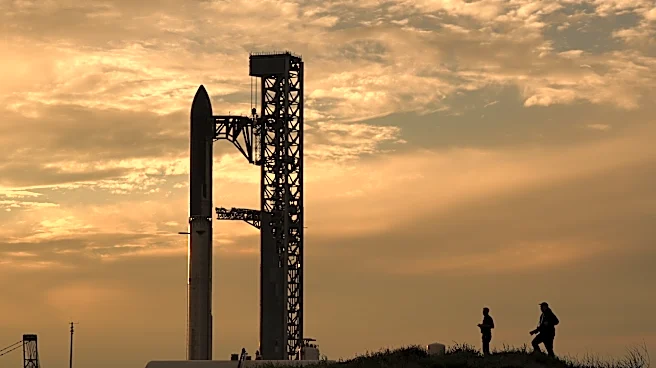
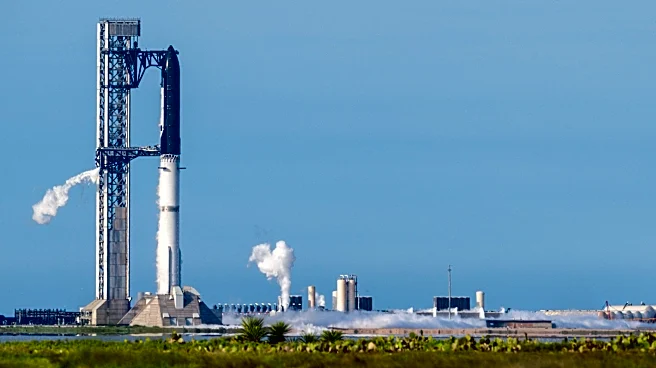
SpaceX successfully caught its Starship spacecraft with the launch tower's mechanical arms, dubbed 'robot chopsticks,' after it returned from orbit on November 14. This marks the first time a spacecraft returning from orbit has been caught in this manner.
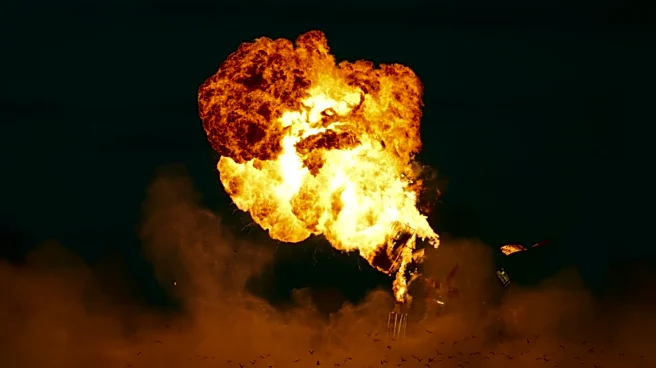
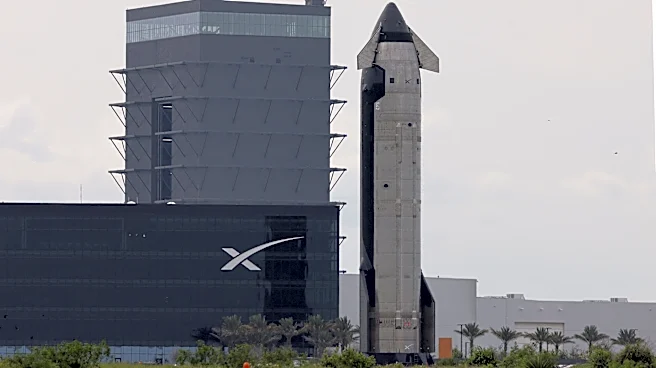
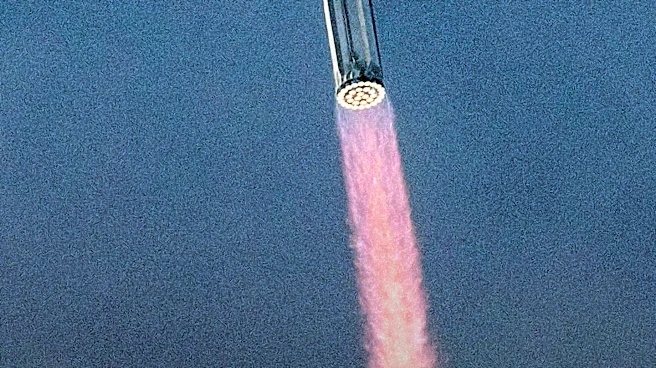
The Starship, known as Ship 42, completed approximately 14 orbits over 22.5 hours before its successful retrieval at SpaceX's Starbase site in Texas. During its flight, Ship 42 also deployed 26 Starlink V3 satellites, significantly increasing downlink capacity. However, the Super Heavy booster, which was intended to be caught by the same method shortly after launch, was diverted and subsequently exploded in the Gulf of Mexico. This was the first attempt to catch both stages of the rocket with its newest design, following previous successful catches of earlier booster versions.
Why It's Important?
This event holds significant implications for the future of space travel and reusability in the U.S. aerospace industry. The successful orbital catch of Starship demonstrates a critical advancement in SpaceX's ambitious goal of fully reusable rocket systems, which could drastically reduce the cost of space launches. This technological leap could accelerate the development of lunar and Martian missions, as well as the deployment of large satellite constellations like Starlink. The loss of the Super Heavy booster, while a setback, is part of the iterative testing process common in complex aerospace development. The ability to recover and reuse the booster is essential for the economic viability of Starship's design. The deployment of Starlink V3 satellites further solidifies SpaceX's position in the satellite internet market, enhancing global connectivity and potentially impacting telecommunications infrastructure worldwide.
What's Next?
SpaceX will likely analyze the data from the Super Heavy booster's failed recovery to refine its design and recovery procedures for future flights. The next significant test is scheduled for December 8, when the last batch of insider shares from the IPO lockup can be sold, which could impact SpaceX's stock performance. The company will continue to conduct test flights, aiming for consistent and successful recovery of both Starship and its Super Heavy booster. Further advancements in reusability are expected to drive down launch costs, potentially opening up new opportunities for commercial space ventures, scientific research, and national security applications. The ongoing development of Starship is a key component of SpaceX's long-term vision for human space exploration and colonization.
Beyond the Headlines
The 'robot chopsticks' method for catching rockets represents a paradigm shift in aerospace engineering, moving beyond traditional vertical landings to a more integrated and potentially more efficient recovery system. This innovation challenges conventional approaches to rocket design and operation, pushing the boundaries of what is considered feasible in spaceflight. The iterative testing process, characterized by both successes and failures, highlights the high-risk, high-reward nature of cutting-edge technological development. The broader implications extend to the democratization of space, as lower launch costs could enable more nations, private companies, and research institutions to access space. This could foster a new era of innovation and competition in the global space economy, potentially leading to unforeseen advancements in various fields, from materials science to artificial intelligence.