



What's Happening?
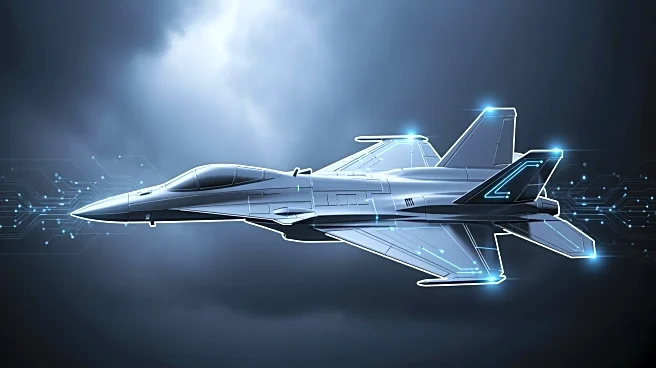
Lockheed Martin has successfully tested an AI-enhanced Combat Identification (Combat ID) capability integrated into the F-35's information fusion system. This development, part of Project Overwatch, marks the first use of a tactical AI model in flight
to generate an independent Combat ID on the pilot's display. The AI model helps pilots prioritize combat threat IDs and targets more efficiently, improving situational awareness and reducing decision-making latency. Engineers have developed an automated tool to label new emitters and retrain the AI model within minutes, allowing for rapid updates during mission planning. This capability aims to accelerate the F-35's response to evolving threats by embedding advanced AI into its mission system.
Why It's Important?
The integration of AI into the F-35's systems represents a significant advancement in military technology, potentially revolutionizing combat targeting. By enhancing situational awareness and decision-making speed, this technology could provide a tactical edge in combat scenarios. The ability to update AI models quickly ensures that the F-35 can adapt to new threats in real-time, maintaining its effectiveness in dynamic environments. This development aligns with Lockheed Martin's strategy to integrate next-generation performance and AI-driven decision-making across its product lines, keeping military forces ahead of emerging challenges.
What's Next?
The timeline for adapting this AI technology from test flights to operational use on the U.S. F-35 fleet is uncertain, with estimates suggesting it could take three years or more. As Lockheed Martin continues to refine this capability, further enhancements in reliability and accuracy are expected. The ongoing debate about the role of AI in combat decision-making will likely influence future developments, as military leaders balance the benefits of AI with the need for human oversight in critical decisions.
Beyond the Headlines
The integration of AI into military systems raises ethical and strategic questions about the balance between human and machine decision-making in warfare. As AI technology becomes more prevalent, military organizations must address concerns about accountability and the potential for unintended consequences. The successful implementation of AI in the F-35 could set a precedent for broader adoption of AI in military operations, influencing global defense strategies and technological development.