



What's Happening?
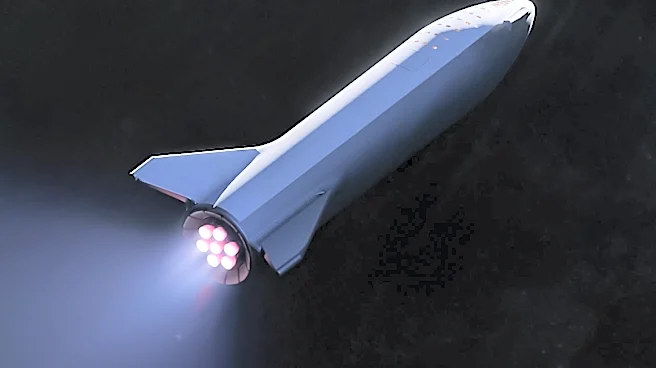
SpaceX is prioritizing the development of its massive Starship rocket, which is intended for ambitious missions like carrying astronauts to Mars and expanding its internet satellite business, Starlink. This focus may lead to the retirement of the Falcon
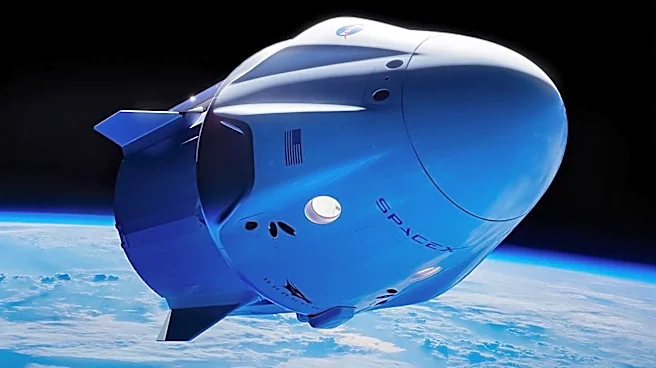
9 rocket and its Dragon capsule, currently the only American option for transporting NASA astronauts to and from the International Space Station. SpaceX President Gwynne Shotwell indicated a desire to transition from older to newer technology, viewing the Falcon 9/Dragon as a 'minivan' unsuitable for long-duration space travel. This shift in priorities by SpaceX, driven by the growing value of its commercial ventures, could potentially leave NASA without a primary means of astronaut transport, as building new space capsules is both time-consuming and expensive.
Why It's Important?
This development is highly significant for NASA and the future of U.S. human spaceflight. If SpaceX retires the Falcon 9 before Starship is fully capable of transporting NASA astronauts, or if Starship's primary focus remains on commercial ventures, NASA could face a critical gap in its ability to send astronauts to the International Space Station. This situation underscores the evolving relationship between NASA and private space companies, where commercial interests can diverge from government needs. It highlights the potential risks of relying heavily on a single commercial provider for essential space capabilities and could force NASA to accelerate the development of alternative transport options, such as Boeing's Starliner, which has faced its own delays and cost overruns.
What's Next?
SpaceX has not yet specified when the Falcon 9 rocket will be retired, but the company's focus is clearly shifting towards Starship. NASA will need to closely monitor Starship's development and consider its options for astronaut transport. While Boeing's Starliner capsule is a potential alternative, it is expected to be more expensive. This situation may prompt NASA to re-evaluate its commercial crew program strategy and potentially invest in diversifying its transport capabilities. The long-term implications could include a more competitive market for astronaut transport services or a renewed emphasis on NASA's in-house development of crewed spacecraft, depending on how Starship's capabilities evolve and align with NASA's requirements.
Beyond the Headlines
The dynamic between SpaceX and NASA reflects a broader trend of commercialization in the space industry. While NASA's initial funding was crucial for SpaceX's survival, the company's rapid growth and success in commercial ventures have altered its priorities. This shift raises questions about loyalty and the balance of power in public-private partnerships. It also highlights the challenges of long-term strategic planning in a rapidly evolving technological landscape. The potential for a 'space minivan' to be phased out in favor of a 'Mars road trip' vehicle symbolizes the ambitious, yet sometimes disruptive, nature of private sector innovation in space, forcing government agencies to adapt and redefine their roles.