






What's Happening?
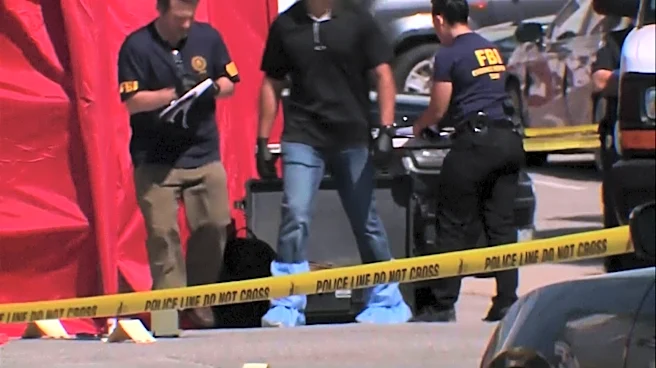
Federal prosecutors have handed over crucial evidence to Minnesota investigators concerning the fatal shootings of Renee Good and Alex Pretti during protests against immigration enforcement earlier this year. The evidence, which includes hard drives with
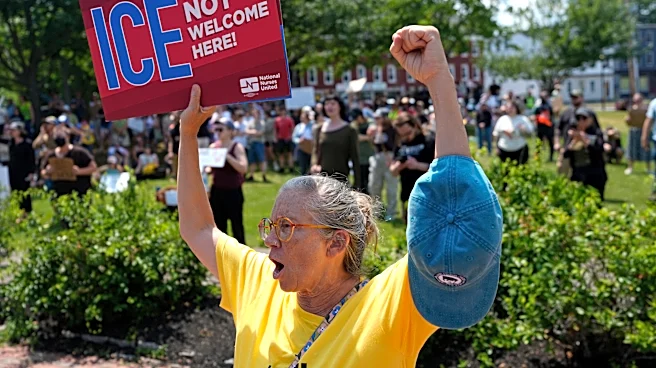
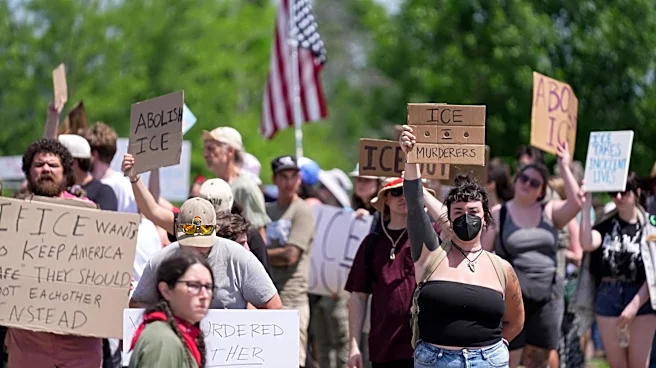
statements, police body camera footage, and other materials, was previously withheld. This development follows a prolonged period of federal reluctance to share information, citing the shootings as 'federal matters.' The deaths of Good, a mother of three, and Pretti, an intensive care nurse, during protests in Minneapolis sparked national outrage and calls for accountability in immigration enforcement. The operation, known as 'Operation Metro Surge,' was the largest immigration enforcement action and concluded in February. Despite the handover, no charges have been filed in connection with the deaths, and the federal government has maintained that state prosecutors lack jurisdiction over federal officers.
Why It's Important?
The release of evidence is a significant step towards transparency and accountability in the investigation of federal law enforcement actions during immigration protests. It highlights ongoing tensions between state and federal authorities over jurisdiction and the handling of cases involving federal officers. The situation underscores the broader national debate on immigration enforcement and the use of force by federal agents. The outcome of this investigation could influence public policy and law enforcement practices, potentially leading to reforms in how federal and state agencies collaborate on such cases. Families of the victims and civil rights advocates view this as a critical move towards justice and accountability, which could set a precedent for future cases involving federal law enforcement.
What's Next?
Minnesota investigators will continue to review the newly acquired evidence to determine the next steps in their investigation. The state may pursue legal action against federal officers if sufficient evidence of misconduct is found. Meanwhile, the ongoing lawsuit by Minnesota officials against federal agencies seeks further access to evidence and may continue unless a resolution is reached. The case could prompt discussions on policy changes regarding evidence sharing and jurisdiction in cases involving federal law enforcement. Additionally, similar cases in other states, such as the recent shooting in Houston, may be influenced by the outcomes of this investigation, potentially leading to broader scrutiny of federal immigration enforcement practices.