






What's Happening?
New research analyzing data from 1,769 adults aged 60 and older in a Swedish aging study indicates a strong association between adherence to a Mediterranean-style diet and more favorable blood markers related to metabolism, inflammation, and brain health.
The study utilized three established scoring systems, including the Alternative Mediterranean Diet score and the Alternative Healthy Eating Index, to assess diet quality. Participants with higher scores in these dietary patterns showed elevated levels of folic acid, a B vitamin crucial for DNA production and repair. Additionally, the Mediterranean-style score was correlated with lower levels of GFAP, a protein currently under investigation as a marker for changes affecting brain cells. Those with diets indicating lower inflammatory potential also exhibited reduced levels of insulin, leptin, white blood cells, alkaline phosphatase, and TNFRSF1B, all associated with inflammation and other health conditions. The study also found an association between healthier eating patterns and lower levels of GDF15, a protein whose elevated presence is linked to cellular stress and age-related health issues.
Why It's Important?
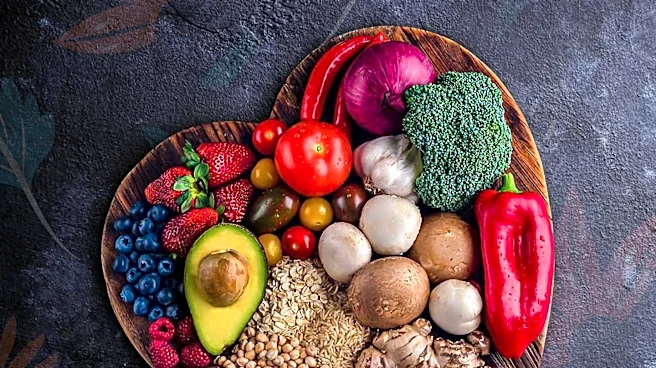
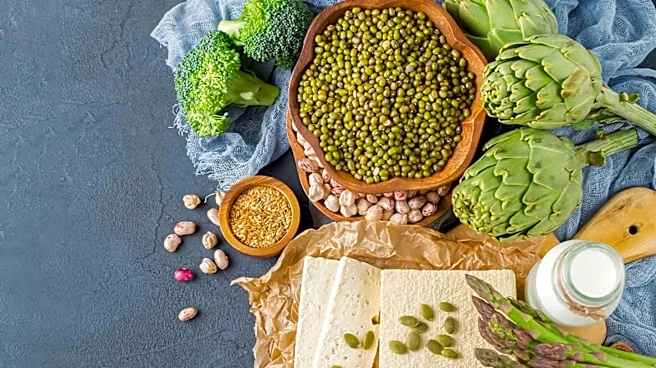
This research underscores the significant role of dietary patterns, particularly the Mediterranean diet, in promoting healthy aging and potentially mitigating age-related health concerns in the U.S. population. The findings suggest that a diet rich in vegetables, fruits, legumes, nuts, whole grains, and fish can positively influence key biological processes, including metabolism, inflammation, and brain health. For older adults in the U.S., adopting such eating habits could lead to a better quality of life and potentially reduce the burden of chronic diseases. The study's emphasis on overall eating patterns rather than individual 'miracle foods' provides a practical framework for public health initiatives and dietary recommendations. Healthcare providers and policymakers can leverage these insights to encourage dietary changes that support healthy aging, potentially leading to reduced healthcare costs and improved public health outcomes across the nation.
What's Next?
While this study identifies associations rather than direct cause and effect, the findings provide a strong basis for further longitudinal research to confirm the causal links between Mediterranean-style diets and improved health markers in older adults. Future studies could involve intervention trials to observe the direct impact of dietary changes on these blood markers over time. Public health organizations and nutritionists in the U.S. are likely to continue promoting dietary guidelines that align with the Mediterranean diet, emphasizing whole foods and reducing processed and sugary items. Educational campaigns could be developed to help older adults and their caregivers understand and implement these dietary changes. Additionally, the ongoing study of proteins like GFAP and GDF15 as biomarkers for aging and disease progression will continue, potentially leading to more precise diagnostic and preventative strategies.
Beyond the Headlines
The study's implications extend beyond mere dietary recommendations, touching upon the broader understanding of aging at a biological level. The correlation between diet quality and specific blood markers like GFAP and GDF15 highlights the intricate connection between nutrition and cellular health, including brain function and cellular stress responses. This deeper insight could inform personalized medicine approaches, where dietary interventions are tailored based on an individual's unique biological markers. Furthermore, the research reinforces the concept that healthy aging is a multifaceted process influenced by lifestyle choices, rather than solely genetic predispositions. It also subtly challenges the common pursuit of 'miracle foods' by emphasizing the holistic impact of an overall eating pattern. This shift in perspective could lead to more sustainable and effective public health strategies focused on comprehensive dietary habits rather than isolated nutritional components.