

What's Happening?
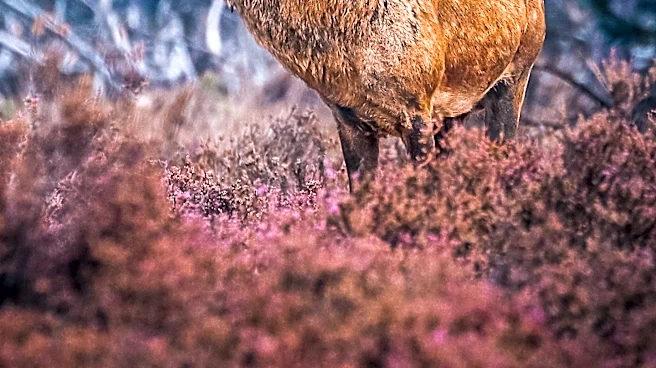
The Rhode Island Department of Environmental Management (DEM) has issued a public reminder for drivers to exercise caution due to increased deer activity on roadways. This advisory is particularly relevant during the deer mating season, known as the 'rut,'
which spans from mid-October through December. During this period, deer are more active, especially at dawn and dusk, leading to a higher likelihood of deer-vehicle collisions. The DEM advises drivers to slow down, remain alert, and continuously scan the shoulders of the road. If a deer is spotted, drivers should proceed with caution and anticipate that more deer may be nearby. In the event of an unavoidable collision, drivers are instructed to apply brakes firmly and stay in their lane. All deer collisions, as well as observations of injured or deceased deer on the road, should be reported to DEM's 24-hour dispatch, local police, and insurance companies. Additionally, the DEM offers a free wildlife salvage permit, obtainable within 24 hours of collecting wildlife, to allow the public to salvage deer and other wildlife killed in vehicle collisions, which also aids in tracking wildlife and improving road safety.
Why It's Important?
The increased risk of deer-vehicle collisions during mating season has significant implications for public safety and economic well-being in Rhode Island. Collisions with deer can result in serious injuries or fatalities for vehicle occupants, as well as substantial damage to vehicles, leading to increased insurance claims and repair costs. For the state, these incidents can strain emergency services and wildlife management resources. The DEM's advisory aims to mitigate these risks by promoting driver awareness and safe practices, thereby reducing the number of accidents and their associated human and financial costs. Furthermore, the wildlife salvage permit program not only helps manage wildlife populations and reduce waste but also provides valuable data for the DEM to understand deer movement patterns and identify high-risk areas, contributing to more effective road safety strategies and wildlife conservation efforts.
What's Next?
As the deer mating season continues through December, drivers in Rhode Island can expect ongoing advisories from the DEM and other state agencies regarding road safety. Law enforcement may increase patrols in areas known for high deer activity, and public awareness campaigns are likely to persist. The DEM will continue to process wildlife salvage permits and collect data from reported collisions, which will inform future wildlife management decisions and road safety initiatives. Residents and visitors should remain vigilant and adhere to the recommended safety measures. The data collected during this period will be crucial for assessing the effectiveness of current strategies and for developing more targeted interventions to reduce deer-vehicle incidents in subsequent years, potentially leading to changes in road signage or infrastructure in high-risk zones.
Beyond the Headlines
Beyond the immediate safety concerns, the recurring issue of deer-vehicle collisions highlights broader ecological and land-use challenges in Rhode Island. The increasing deer population, coupled with expanding human development, leads to greater overlap between wildlife habitats and roadways. This situation underscores the need for comprehensive land management strategies that consider both human safety and wildlife conservation. It also brings to light the ethical considerations surrounding human-wildlife interactions, prompting discussions on population control methods, habitat preservation, and the role of public education in fostering coexistence. The DEM's efforts to manage these interactions reflect a complex balance between protecting human lives and property, and maintaining healthy wildlife ecosystems within a developed landscape, pointing to long-term planning needs for sustainable development and environmental stewardship.