




What's Happening?
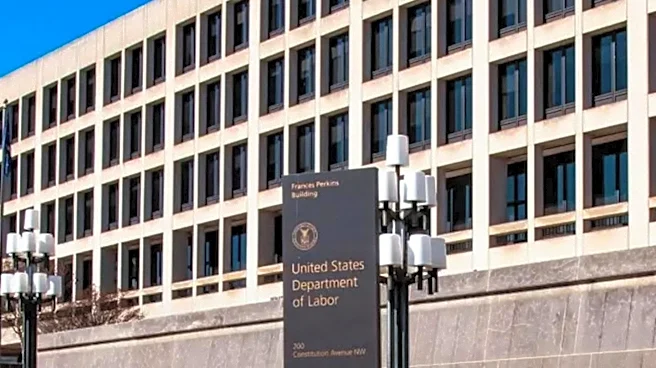
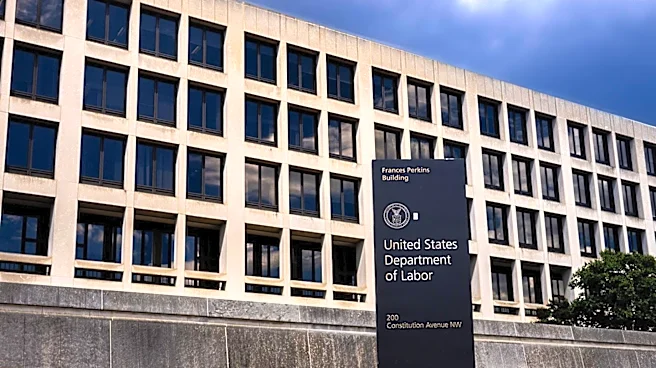
The U.S. Department of Labor (DOL) has issued a Notice of Proposed Rulemaking (NPRM) that outlines significant changes to the Program Electronic Review Management (PERM) process, which employers use to petition for permanent residency for foreign national
employees. The proposed rule aims to modernize the labor market test, replacing outdated requirements like Sunday newspaper advertising with online-focused recruitment efforts. Key changes include lengthening the recruitment period from 30 to 90 days or more, requiring the labor market test to mirror an employer's actual recruitment activities, and extending the notice period for current workforces. Additionally, the NPRM proposes greater protections for laid-off U.S. workers by extending the lookback period for offering positions to them from six months to two years and requiring employers to notify the DOL or Department of Homeland Security of layoffs in similar occupations while PERM applications are pending. The proposal also seeks to eliminate Schedule A, which currently offers simplified processing for occupations with recognized worker shortages like Registered Nurses and Physical Therapists.
Why It's Important?
These proposed changes to the PERM process could significantly impact U.S. employers seeking to hire foreign national employees, particularly those in industries reliant on skilled foreign labor. The shift to online recruitment reflects current hiring practices but also introduces longer recruitment periods, potentially delaying the permanent residency process. Increased protections for laid-off U.S. workers could make it more challenging for companies to secure foreign talent if recent layoffs have occurred, potentially affecting workforce planning and talent acquisition strategies. The elimination of Schedule A could complicate and prolong the hiring process for healthcare institutions and other sectors that have historically benefited from simplified processing for in-demand occupations. These changes aim to ensure that foreign labor certification genuinely reflects a lack of available U.S. workers, potentially altering the landscape of employment-based immigration and affecting various U.S. industries.
What's Next?
The NPRM is currently a proposed rule, and interested parties have until January 16, 2027, to submit comments to the DOL. The DOL is mandated to consider these comments before publishing a final rule, which may or may not include all the proposed changes. Employers currently engaged in the PERM process are advised to consult with legal counsel to understand the potential implications of these proposed changes on their existing plans and applications. The final rule, if enacted, will reshape how U.S. companies recruit and sponsor foreign workers for permanent residency, potentially leading to adjustments in hiring practices, longer processing times, and increased scrutiny of labor market tests. The outcome will be closely watched by businesses, immigration attorneys, and foreign national employees across various sectors.
Beyond the Headlines
The DOL's proposed overhaul of the PERM process reflects a broader governmental effort to align immigration policies with current economic realities and labor market dynamics. By modernizing recruitment requirements and strengthening protections for U.S. workers, the DOL aims to ensure that the employment-based immigration system serves its primary purpose: to fill genuine labor shortages without displacing domestic workers. This move could signal a more stringent approach to foreign labor certification, potentially influencing long-term immigration trends and the composition of the U.S. workforce. The elimination of Schedule A, in particular, could spark debate about the actual existence and severity of labor shortages in critical sectors like healthcare, prompting a reevaluation of how the U.S. addresses its workforce needs in these areas. The proposed changes also highlight the ongoing tension between the needs of U.S. businesses for global talent and the imperative to protect domestic employment opportunities.