









What's Happening?
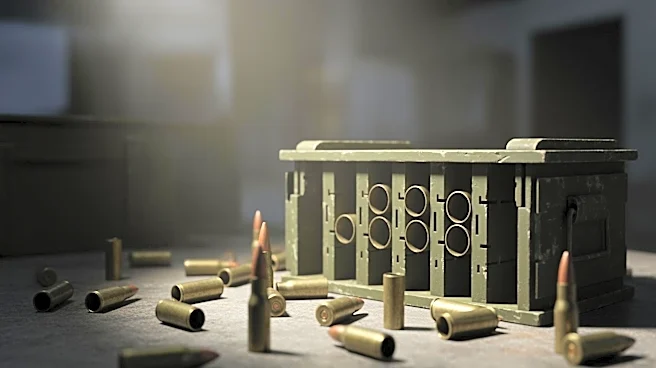
The Pentagon is experiencing a critical shortage of munitions as the ongoing conflict with Iran continues to deplete its stockpiles. According to U.S. officials and a recent study from a Washington think tank, the Defense Department has not signed new
contracts to replenish its supplies, raising concerns about sustaining military operations in the Middle East. The shortage is alarming for the Trump administration, as it could hinder the U.S. military's ability to engage in prolonged operations or respond to new conflicts, particularly in Asia. The lack of new contracts means that U.S. defense companies may struggle to address the shortfall for years, potentially impacting national security and military readiness.
Why It's Important?
The munitions shortage poses significant risks to U.S. military capabilities and national security. Without adequate supplies, the Pentagon may find it challenging to maintain its current level of operations in the Middle East, where tensions with Iran remain high. Additionally, the inability to quickly replenish munitions could limit the U.S. military's flexibility in responding to emerging threats in other regions, such as Asia. This situation underscores the importance of timely defense procurement and the potential consequences of delays in contract negotiations. The shortage also highlights the broader implications for U.S. defense strategy and the need for a robust supply chain to support military operations.
What's Next?
The Pentagon will need to prioritize securing new munitions contracts to address the current shortfall. This may involve engaging with defense contractors to expedite production and delivery of critical supplies. Additionally, the U.S. government may need to allocate additional funding to support these efforts and ensure military readiness. The situation could prompt discussions within the Trump administration and Congress about defense spending priorities and the need for strategic planning to prevent similar shortages in the future. Stakeholders, including military leaders and policymakers, will likely focus on developing solutions to enhance the resilience of the U.S. defense supply chain.