





What's Happening?
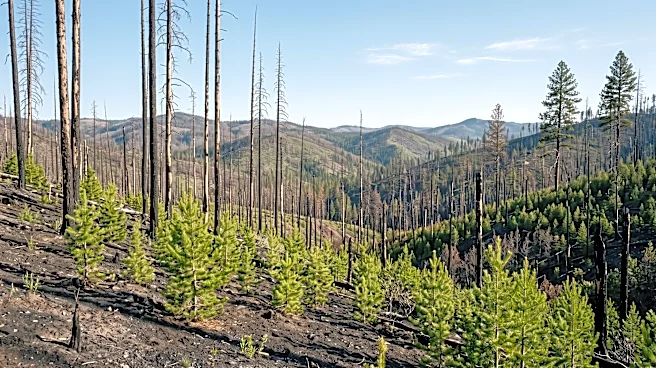
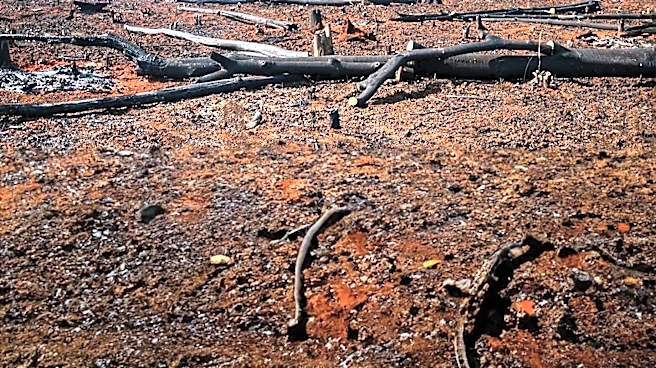
New Jersey is implementing a forest management strategy that involves clear-cutting public forests, including wetlands, as part of a $20 million, 10-year Atlantic White Cedar Restoration Project. The state aims to restore approximately 10,000 acres of these
disappearing cedar forests, which are threatened by sea-level rise, saltwater intrusion, altered hydrology, deer browsing, and historical logging. However, critics argue that this approach, which includes mechanical removal of competing vegetation, herbicide applications, and heavy machinery, resembles industrial logging rather than ecological restoration. Concerns are being raised about the independence of the state's forestry system, questioning whether it prioritizes ecological protection or commercial harvesting, especially given that the professional culture is heavily built around forestry management and timber products. Environmental advocates, including the New Jersey Sierra Club, are calling for an independent review by ecologists and wildlife biologists to ensure that the methods used are the least destructive and genuinely serve ecological goals.
Why It's Important?
This approach to forest management in New Jersey is significant because it highlights a contentious debate over the best methods for ecological restoration and the potential for institutional bias in environmental decision-making. While the goal of restoring Atlantic white cedar is ecologically important, the use of clear-cutting and heavy machinery in sensitive Pinelands wetlands raises concerns about unintended consequences, such as soil compaction, altered hydrology, and the spread of invasive species. The question of whether the state's forestry system is truly independent or an extension of the timber industry is critical, as it influences whether ecological protection or commercial interests drive management decisions. This situation could set a precedent for how natural resource damage settlement funds are utilized, potentially diverting them towards industrial-style operations rather than genuinely restorative practices. The debate also underscores the importance of public trust and transparency in managing public lands, which are held for the benefit of all citizens.
What's Next?
Critics are demanding greater transparency and public participation in the Atlantic White Cedar Restoration Project. They are calling for the state to publish a single, comprehensive restoration plan with detailed maps, treatment methods, equipment, and environmental safeguards. They also advocate for dedicated public hearings to allow residents and conservation groups to voice their concerns. Furthermore, there's a push for the state to prioritize restoration in already disturbed and cleared lands, such as abandoned cranberry bogs, before clear-cutting healthy forests. The debate also calls for an independent scientific review to ensure that the methods chosen are the least intrusive and most effective for cedar regeneration, while also addressing issues like deer protection. The outcome of this controversy could lead to a re-evaluation of New Jersey's forest management policies, potentially shifting towards more ecologically sensitive restoration techniques and greater public oversight of projects funded by natural resource damage settlements.
Beyond the Headlines
The New Jersey clear-cutting controversy reveals a deeper tension between different philosophies of conservation: one that views forests as resources to be managed and harvested, and another that sees them as complex ecosystems requiring minimal human intervention. The argument that 'destroying the forest to save it' reflects a utilitarian approach that may overlook the intricate interdependencies within a natural ecosystem. The concern about institutional bias within the forestry system, where the 'default answer to a forest problem becomes: Cut it,' suggests a potential conflict of interest that could undermine genuine ecological goals. This situation raises ethical questions about the stewardship of public lands and whether the state is fulfilling its public trust responsibility to protect these natural treasures for future generations. The long-term implications could include a loss of biodiversity, altered ecosystem functions, and a diminished public perception of conservation efforts if industrial practices are perceived to masquerade as ecological restoration.