





What's Happening?
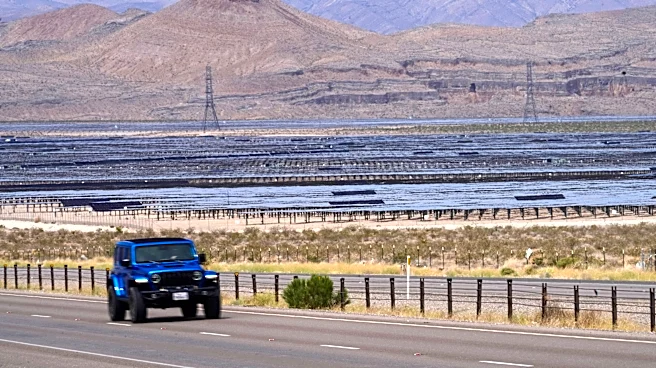
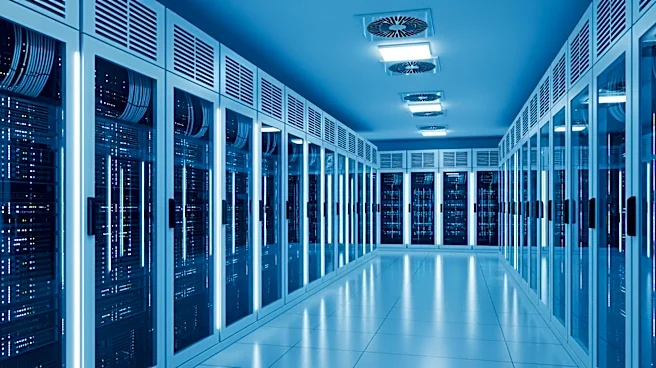
Gulf states are rapidly expanding their digital infrastructure, focusing on artificial intelligence (AI) and data centers. However, this growth is challenged by the region's arid climate and limited water resources. The Gulf Cooperation Council (GCC)
states are exploring solutions such as desalination and wastewater treatment to support this expansion. The report emphasizes the need for a holistic approach that integrates water and energy efficiency to ensure the sustainability of AI infrastructure. This includes strategic investments in storage, efficiency standards, and non-potable water use for cooling data centers.
Why It's Important?
The expansion of AI infrastructure in the Gulf is crucial for the region's economic diversification and technological advancement. However, the environmental constraints pose significant challenges that could impact the sustainability of these projects. Addressing these challenges is essential to ensure the long-term viability of the AI sector in the Gulf. The region's approach to integrating water and energy efficiency could serve as a model for other arid regions facing similar challenges. Successful implementation could enhance the Gulf's position as a leader in sustainable digital infrastructure.
What's Next?
Gulf states are expected to continue investing in technologies and infrastructure that address water and energy challenges. This includes expanding renewable energy projects and developing new cooling technologies for data centers. Policymakers will need to balance economic growth with environmental sustainability, potentially leading to regulatory changes and new industry standards. The success of these initiatives could influence global best practices in sustainable AI infrastructure development.