



What's Happening?
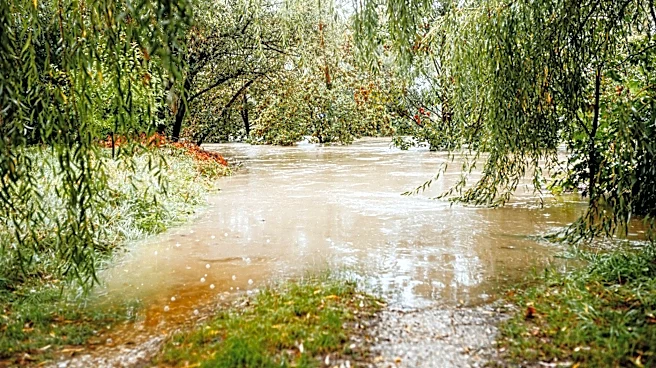
In July, the Texas Hill Country experienced another severe flood, testing the state's newly implemented warning systems. The flood, which brought up to 28 inches of rain to several counties, resulted in the destruction or damage of hundreds of buildings
but only three fatalities, a significant decrease from the previous year's 139 deaths. This improvement is attributed to earlier forecasts, new warning systems, and heightened public awareness following last year's disaster. The National Weather Service provided warnings four days in advance, compared to less than 24 hours the previous year. Despite these advancements, the flood exposed ongoing vulnerabilities in the state's flood-warning infrastructure, with many areas still lacking adequate sirens and gauges.
Why It's Important?
The recent flood underscores the critical need for robust flood-warning systems in Texas, a state prone to extreme weather events. The reduced death toll highlights the effectiveness of improved forecasting and public preparedness. However, the event also reveals gaps in the current system, as many regions remain under-equipped to handle such disasters. The state's response, including legislative measures to enhance warning systems, reflects a growing recognition of the importance of disaster preparedness. The ongoing challenges emphasize the need for continued investment in infrastructure to protect communities and mitigate the impact of future floods.
What's Next?
Texas plans to continue expanding its flood-warning systems, with 29 out of 30 eligible counties already participating in a program to enhance their infrastructure. The state aims to install more sirens and gauges, although funding remains a challenge. Governor Greg Abbott has indicated that discussions on further funding and improvements will continue in future legislative sessions. The effectiveness of these systems will be crucial in preventing fatalities in future floods, especially as climate change increases the frequency and intensity of such events.
Beyond the Headlines
The flood highlights broader issues related to climate change and urban planning. As extreme weather events become more common, there is a pressing need to reassess building practices and land use in flood-prone areas. The reliance on sirens and alerts also raises questions about the adequacy of reactive measures versus proactive planning. The situation calls for a comprehensive approach that includes both immediate warning systems and long-term strategies to reduce vulnerability to natural disasters.