


What's Happening?
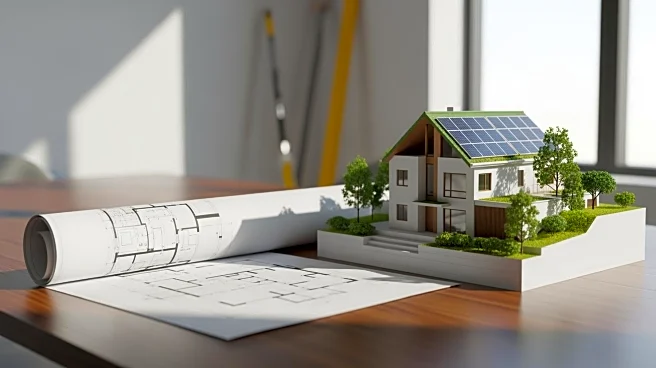
In Naperville, Illinois, a debate is unfolding over the adoption of 'stretch' energy codes that exceed existing conservation requirements for new home construction. Local homebuilders have expressed concerns that these codes would significantly increase
construction costs while offering minimal energy savings. This discussion comes amid rising energy prices, partly due to geopolitical tensions and the growing demand from data centers. The debate highlights a broader national conversation about balancing energy efficiency with housing affordability. While some states have embraced stricter codes to address climate change, others view them as government overreach.
Why It's Important?
The outcome of this debate could have far-reaching implications for housing affordability and energy policy in the U.S. Stricter energy codes could lead to higher construction costs, potentially exacerbating the housing affordability crisis. On the other hand, these codes could contribute to long-term energy savings and reduced carbon emissions. The discussion reflects a tension between environmental goals and economic realities, with potential impacts on both the housing market and efforts to combat climate change. Policymakers must navigate these competing priorities to develop solutions that address both energy efficiency and housing needs.
What's Next?
As the debate continues, stakeholders will likely explore alternative approaches to achieving energy efficiency without compromising housing affordability. This could include retrofitting existing buildings, promoting tax credits for energy-saving upgrades, and encouraging the use of smart technologies. The discussion may also influence future policy decisions at both the state and national levels, as lawmakers seek to balance environmental and economic considerations. The outcome could set a precedent for other municipalities grappling with similar challenges.