

What's Happening?
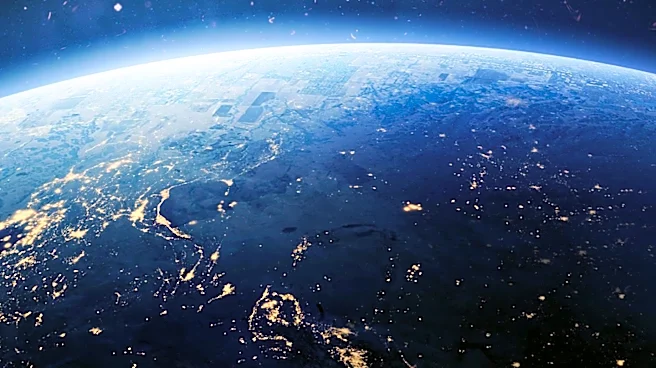
A recent study has highlighted the pervasive impact of artificial light at night (ALAN) on ecosystems and human health. ALAN disrupts natural circadian rhythms, affecting pollination, wildlife behavior, and human sleep patterns. In meadows exposed to
streetlamp light, 19% of plant species received fewer daytime pollinator visits, threatening ecosystem health. For humans, ALAN suppresses melatonin production, increasing cancer risk and disrupting sleep. The study emphasizes the need for solutions to mitigate light pollution and restore natural nightscapes.
Why It's Important?
The findings underscore the ecological and health challenges posed by light pollution, which is a growing concern as urbanization increases. Disrupted circadian rhythms can lead to significant ecological imbalances, affecting food chains and biodiversity. For humans, the health implications include increased risks of cancer and sleep disorders. Addressing light pollution is crucial for preserving ecosystem integrity and improving public health. The study calls for policy changes and technological innovations to reduce the impact of artificial lighting.
What's Next?
Efforts to mitigate light pollution are gaining momentum, with initiatives like the International Dark Sky Places Programme promoting responsible lighting practices. Technological solutions, such as using amber LEDs and shielding lights, can reduce ecological impacts. Policymakers and communities are encouraged to adopt these practices to protect natural darkness and support ecological and human health. Continued research and public awareness campaigns are essential to drive these changes and highlight the importance of preserving natural nightscapes.