





What's Happening?
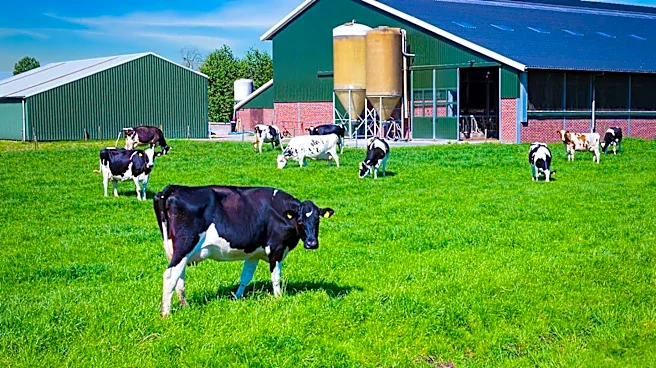
Phu Tho province in northern Vietnam is transitioning from small-scale livestock farming to concentrated, technology-driven production, aiming to become a regional livestock hub. This shift involves major agricultural enterprises and a focus on sustainable
development, including specialty products, circular economy models, and organic production linked with eco-tourism. The province's livestock development strategy emphasizes meeting domestic demand for safe products while improving compliance with export standards. Production planning also incorporates considerations for climate change, natural disasters, and animal disease risks. Hoang Manh Thong, head of the provincial Sub-Department of Livestock Production, Fisheries and Veterinary Medicine, highlighted the importance of improving the investment climate and promoting the private sector. The province currently has significant livestock numbers, with large-scale farms accounting for a growing percentage of the pig, poultry, and buffalo/cow herds. Several large-scale, high-tech projects are underway, including Xuan Thien Group's complex and a joint project by Da Phuc Agriculture JSC and Yen Thuy Agriculture JSC, which aim to establish integrated value chains.
Why It's Important?
This strategic shift in Phu Tho province is crucial for enhancing the efficiency and sustainability of its livestock sector. By moving away from fragmented, small-scale farming, the province aims to mitigate risks associated with animal diseases and increasingly stringent environmental and food safety requirements. Concentrated farming facilitates better disease control, management, and the application of advanced technology, leading to improved economic returns and reduced costs. The emphasis on export standards and integrated value chains will allow Phu Tho to tap into international markets and increase the value of its agricultural products. This modernization effort is vital for ensuring food security, promoting economic growth, and adapting to global challenges like climate change and disease outbreaks, ultimately benefiting both producers and consumers.
What's Next?
Phu Tho authorities will continue to create favorable conditions for enterprises to invest in large-scale and high-tech livestock farming, focusing on sustainable growth, modernization, and environmental protection. The ongoing development of integrated value chains, from breeding and feed production to farming, slaughtering, and processing, is expected to add significant value to the province's livestock sector. The province will also focus on developing specialty products and circular economy models, potentially linking them with eco-tourism. The success of these initiatives will depend on continued investment, technological adoption, and effective disease management strategies to ensure compliance with both domestic and international standards for safe and high-quality livestock products.
Beyond the Headlines
The transformation of Phu Tho's livestock sector reflects a broader trend in global agriculture towards industrialization and consolidation, driven by demands for efficiency, food safety, and export competitiveness. This shift, while offering economic benefits and improved disease control, also raises questions about the impact on small-scale farmers, environmental sustainability, and animal welfare. The integration of circular economy models and eco-tourism suggests an attempt to balance economic development with environmental responsibility. However, the long-term success will hinge on robust regulatory frameworks, effective enforcement of environmental standards, and equitable distribution of benefits to ensure that the modernization efforts do not exacerbate existing social or environmental inequalities.