


What's Happening?
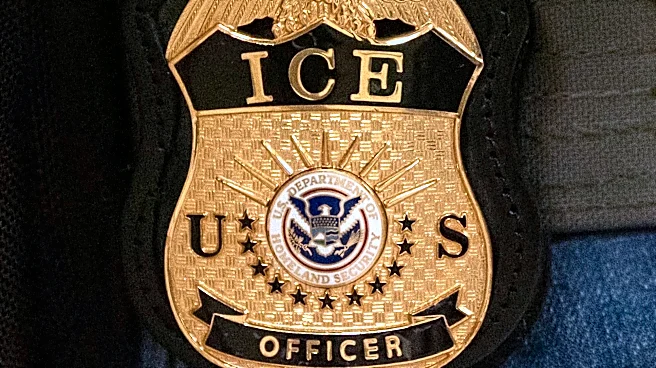
Congressman Steve Cohen (TN-9), a senior member of the Judiciary Committee, questioned witnesses during a Republican-led Judiciary Subcommittee hearing on sanctuary jurisdictions. He raised concerns about the accountability of Immigration and Customs
Enforcement (ICE) agents following incidents in Minnesota and criticized the competence of immigration policy leadership. Congressman Cohen specifically addressed a recent large-scale ICE raid in Memphis, where approximately one hundred people were apprehended from a bar in a Hispanic neighborhood. He stated, “We don’t need ICE in Memphis,” and emphasized the necessity for rational law enforcement and immigration policy, asserting that sanctuary cities are not the problem. He also expressed his objection, alongside the Memphis mayor, to the raid.
Why It's Important?
Congressman Cohen's statements highlight a significant point of contention regarding immigration enforcement and policy within the United States. His questioning of ICE accountability and the competence of leadership reflects a broader debate on the agency's operations and the impact of its actions on communities. The specific incident in Memphis, described as the largest ICE raid in the city's history, underscores the tension between federal immigration enforcement and local community concerns. This event can lead to increased distrust between law enforcement and immigrant communities, potentially hindering cooperation on other public safety matters. The Congressman's call for 'rational law enforcement and rational immigration policy' suggests a desire for a more nuanced approach that balances enforcement with community well-being and human rights.
What's Next?
The ongoing debate surrounding sanctuary jurisdictions and ICE operations is likely to continue, especially with the upcoming November midterm elections. Congressman Cohen's remarks may prompt further scrutiny of ICE's activities in Memphis and other cities. Local and national advocacy groups are expected to continue pushing for reforms in immigration enforcement practices. The incident in Memphis could also lead to increased community organizing and legal challenges against such raids. The call for 'rational' policy suggests a potential for legislative efforts to redefine the scope and methods of immigration enforcement, though significant changes would require bipartisan consensus in Congress. The discussion also brings into focus the qualifications of individuals appointed to lead agencies like the Department of Homeland Security.
Beyond the Headlines
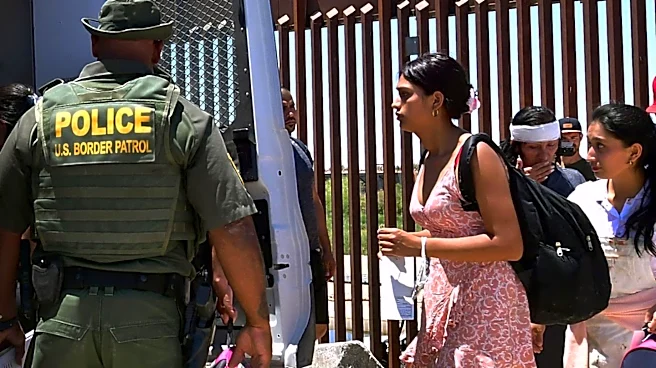
This issue delves into the complex interplay between federal authority, local governance, and civil liberties. The concept of 'sanctuary jurisdictions' often arises from local governments' attempts to protect their residents, including undocumented immigrants, from federal immigration enforcement, leading to legal and political clashes. The Memphis raid, regardless of its stated purpose (gambling), raises questions about racial profiling and the disproportionate impact of such operations on specific communities. The broader implication is a challenge to the balance of power and the interpretation of immigration laws, potentially influencing future judicial decisions and public opinion on immigration reform. It also highlights the ethical considerations of law enforcement tactics and their effects on community trust and social cohesion.