






What's Happening?
Japan experienced a historic heatwave in August, with the Hikone Meteorological Observatory recording a daytime high of 37.6°C on August 26th. This temperature marked the highest ever recorded for August since statistics began in 1893. The extreme heat has
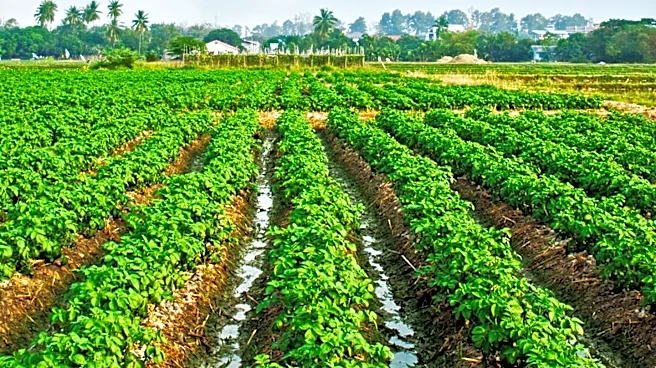
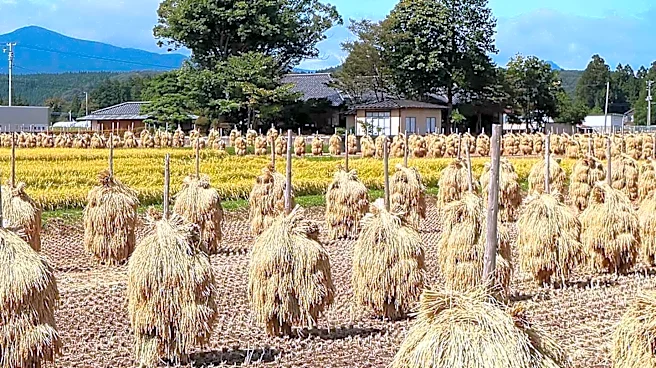
raised concerns about its impact on agricultural products. Discussions on local radio programs, such as 'Oto no Yobishi Tsushin,' have highlighted the broader implications for crops like soybeans and adzuki beans. The conversation also touched upon the decreasing production of adzuki beans due to factors including the aging of producers, global warming, and a shift away from traditional Japanese confectionery. A significant portion of domestic adzuki beans, over 90%, are grown in Hokkaido, with a small percentage from Hyogo.
Why It's Important?
The prolonged and intense heatwave in Japan underscores the growing challenges posed by global warming to agricultural sectors worldwide. For the U.S., this situation serves as a critical case study, highlighting potential vulnerabilities in its own agricultural supply chains and the need for climate-resilient farming practices. While the immediate impact is on Japanese crops, global food markets are interconnected. Disruptions in one major agricultural region can lead to price fluctuations and supply issues internationally, potentially affecting U.S. consumers and food industries. The decline in adzuki bean production in Japan, attributed to climate change and an aging farming population, mirrors similar demographic and environmental pressures faced by agricultural communities in the U.S., emphasizing the importance of sustainable farming and supporting local producers.
What's Next?
Agricultural experts and policymakers in Japan will likely continue to monitor the long-term effects of such extreme weather events on crop yields and food security. Efforts may intensify to develop heat-resistant crop varieties and implement advanced irrigation techniques to mitigate future impacts. For the U.S., this situation could prompt increased investment in agricultural research focused on climate adaptation and diversification of crop production. Businesses reliant on imported agricultural products may explore alternative sourcing strategies or invest in domestic production to reduce dependency on climate-vulnerable regions. Discussions around supporting local farmers and promoting sustainable agricultural practices are expected to gain further traction in both countries.
Beyond the Headlines
The historic heatwave and its agricultural consequences in Japan highlight a broader global trend of climate change impacting food systems. Beyond immediate crop losses, there are deeper cultural and economic implications. The decline in adzuki bean cultivation, for instance, not only affects food supply but also threatens traditional Japanese culinary practices and the livelihoods of farming communities. This situation prompts reflection on the resilience of traditional food cultures in the face of environmental shifts. For the U.S., it underscores the ethical responsibility to address climate change and support international efforts to ensure global food security, recognizing that environmental challenges in one part of the world can have ripple effects across continents, influencing trade, migration, and geopolitical stability.