





What's Happening?
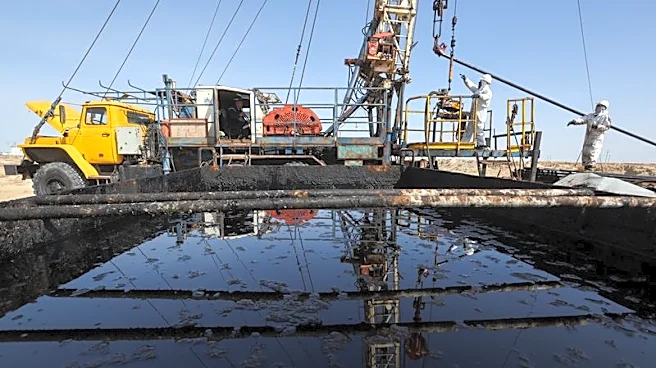
OPEC+ is set to approve another increase in oil production targets, continuing efforts to unwind voluntary supply cuts. The decision comes as key producers, including Saudi Arabia and Russia, plan to raise their combined output by 188,000 barrels per
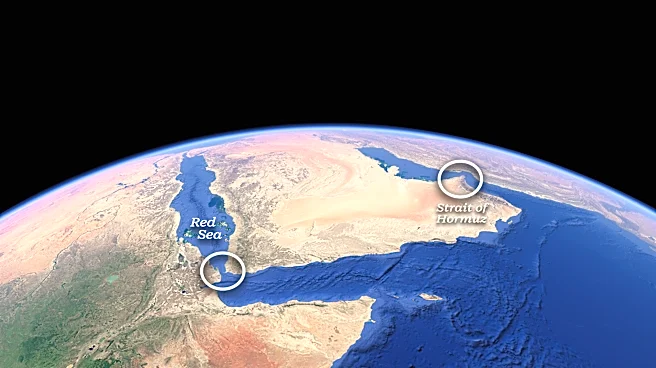
day in September. However, actual production has been declining due to disruptions in the Middle East, particularly in the Strait of Hormuz and the Red Sea. These geopolitical tensions have hindered the ability of Gulf producers to meet higher targets, despite the official increases.
Why It's Important?
The decision to raise production targets highlights OPEC+'s commitment to stabilizing global oil markets amid ongoing geopolitical challenges. However, the gap between targets and actual production underscores the difficulties faced by member countries in maintaining consistent output. This situation could lead to volatility in oil prices, affecting global energy markets and economies reliant on oil imports. The ongoing disruptions also emphasize the need for alternative energy routes and sources to ensure supply security.
What's Next?
OPEC+ will continue to monitor the situation closely, with potential adjustments to production targets based on geopolitical developments. The group's ability to meet its targets will depend on resolving regional conflicts and securing reliable export routes. In the meantime, countries outside the Middle East may seek to increase their market share by boosting production, potentially altering the balance of power in global oil markets. The situation remains fluid, with potential implications for energy policy and international relations.