



What's Happening?
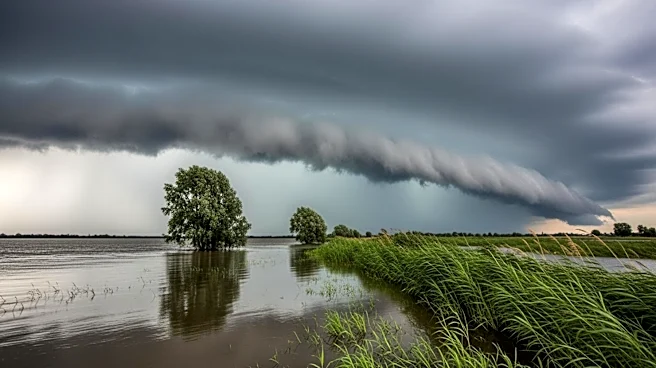
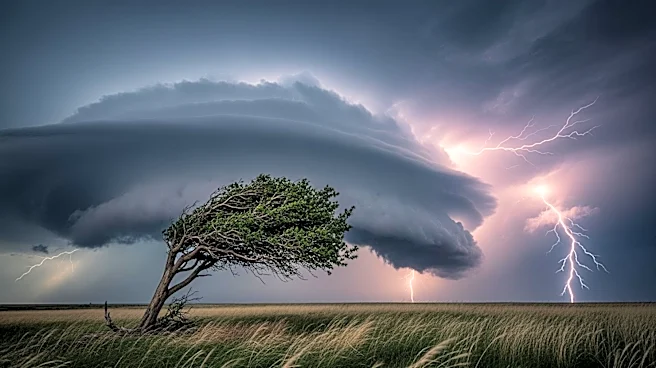
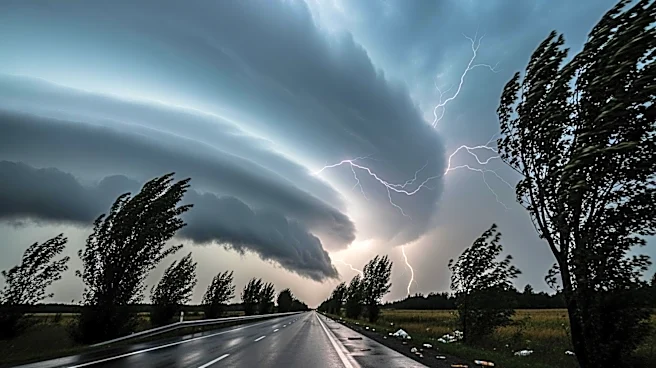
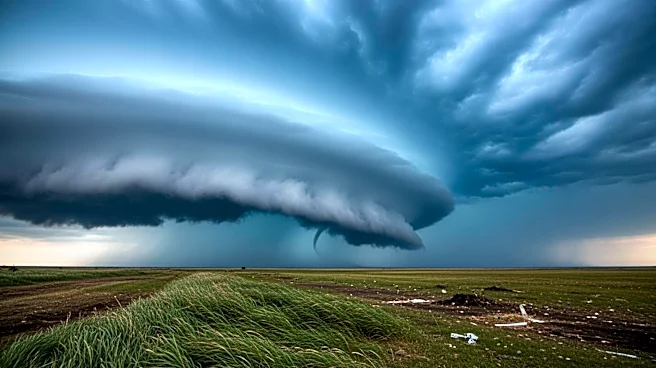
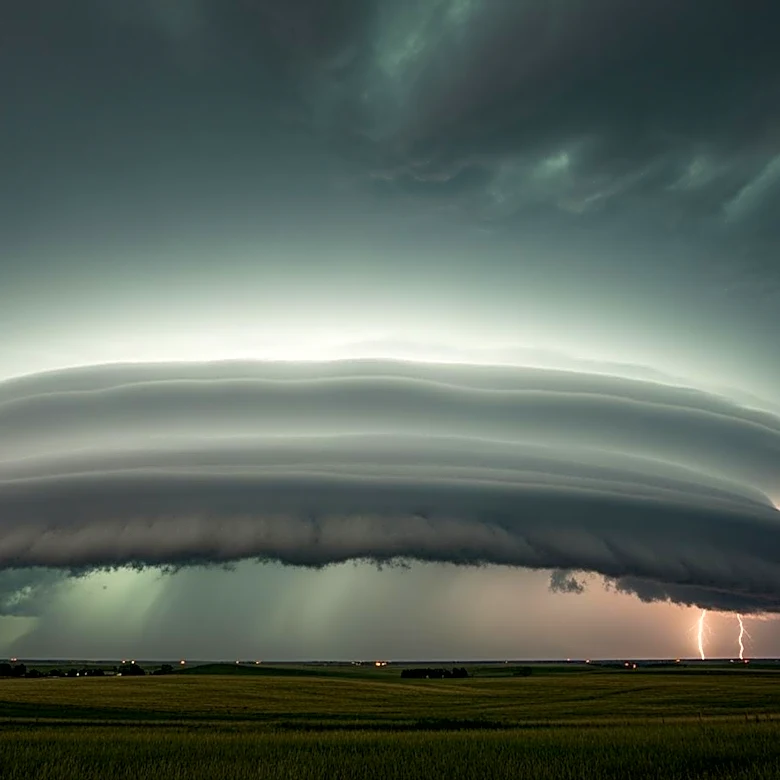
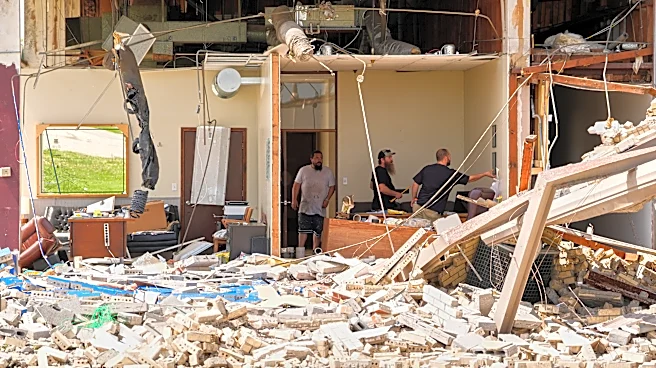
Severe storms have caused damage across the Plains and Midwest, with forecasts warning of further tornadoes, hail, and severe winds. In Kansas, several people sustained minor injuries, and structural damage was reported in Ottawa. In Wisconsin, a tornado touched
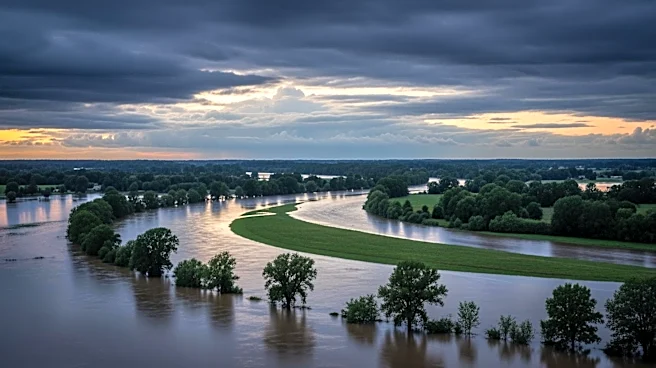
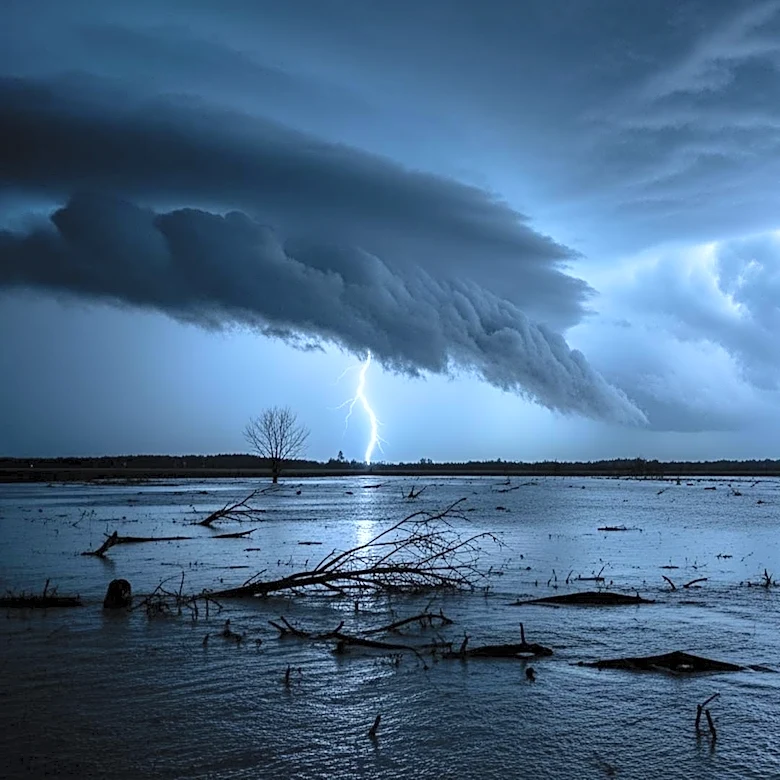
down near Gilman, causing minor damage, while power outages affected over 25,000 customers. The storms have also led to school closures in the Madison area. In Michigan, Governor Gretchen Whitmer declared a state of emergency at the Cheboygan Lock and Dam Complex due to elevated water levels from recent rain and record snowfall. The National Weather Service warns of significant flooding risks in the Upper Great Lakes region.
Why It's Important?
The severe weather events highlight the vulnerability of infrastructure and communities in the affected regions. The potential for tornadoes and flooding poses a threat to public safety and property. The declaration of a state of emergency in Michigan underscores the seriousness of the situation, with elevated water levels threatening critical infrastructure. The widespread power outages and school closures indicate the broader impact on daily life and the economy. These events emphasize the need for effective emergency response and preparedness to mitigate the effects of extreme weather.
What's Next?
Authorities will continue to monitor the weather conditions and provide updates as necessary. Emergency services are likely to remain on high alert to respond to any further damage or injuries. Residents in the affected areas should stay informed and follow safety advisories. The state of emergency in Michigan may lead to additional measures to protect infrastructure and manage water levels. Recovery efforts will be essential in the aftermath of the storms, particularly in areas that have experienced significant damage.