





What's Happening?
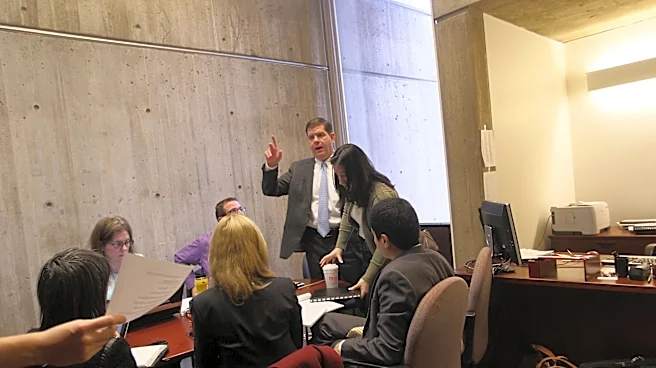
Del. Bob Long (R) is actively addressing the ongoing odor problems emanating from the Back River Wastewater Treatment Plant, a concern that has troubled residents for years. On November 10, he attended a Department of Public Works' Consent Decree meeting
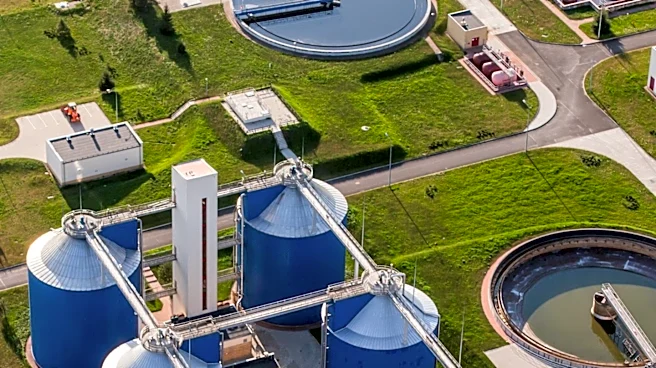
to seek solutions. City officials are currently conducting an odor study at the plant and in surrounding neighborhoods, with results expected in the coming days, followed by several weeks of review. An independent third-party engineer will then evaluate the data and propose solutions. Residents have reported that the odors appear to be worsening since September, which officials attribute to the active removal of sludge from storage lagoons, a process delayed by heavy rainfall. Once these lagoons are cleared, some relief is anticipated. The city also plans to transition from storing sludge in open lagoons to using digesters and covered storage tanks. The plant has reportedly remained within its permit limits for suspended solids, phosphorus, and nitrogen since November 2025.
Why It's Important?
The persistent odor issues from the Back River Wastewater Treatment Plant significantly impact the quality of life for residents in the surrounding communities. This situation highlights the challenges of managing essential public infrastructure while mitigating its environmental and social consequences. The ongoing study and the involvement of an independent engineer are crucial steps towards validating community concerns and ensuring accountability from city officials. The planned transition to covered sludge storage tanks represents a long-term investment in improving environmental conditions and public health. The community's ability to hold public officials accountable for such issues underscores the importance of local governance and citizen engagement in addressing environmental concerns. The resolution of this issue could set a precedent for how similar challenges are handled in other urban areas with aging infrastructure.
What's Next?
The odor study being conducted by city officials is expected to conclude within the next few days, followed by several weeks of data review. An independent third-party engineer will then analyze this data and provide recommendations for solutions. Del. Bob Long expressed hope that the study will confirm the community's belief that the plant is the source of the odors, enabling a permanent fix. Residents should anticipate some relief from the stronger smells once the sludge removal from the storage lagoons is completed. The city's long-term plan to transition to digesters and covered sludge storage tanks will be a key development to monitor. Del. Long has pledged to continue monitoring the situation closely and encourages residents to contact his office with any further issues or concerns.
Beyond the Headlines
The situation at the Back River Wastewater Treatment Plant extends beyond immediate odor control, touching upon broader issues of environmental justice and the equitable distribution of environmental burdens. Communities located near such facilities often bear a disproportionate share of negative environmental impacts. The delay in sludge removal due to heavy rainfall also underscores the increasing vulnerability of infrastructure to climate-related events and the need for resilient planning. The community's sustained advocacy, including town halls and direct communication with elected officials, highlights the power of grassroots efforts in driving change. This case could serve as a model for how communities can effectively engage with local government and public works departments to address long-standing environmental grievances and push for sustainable infrastructure solutions.