
What's Happening?
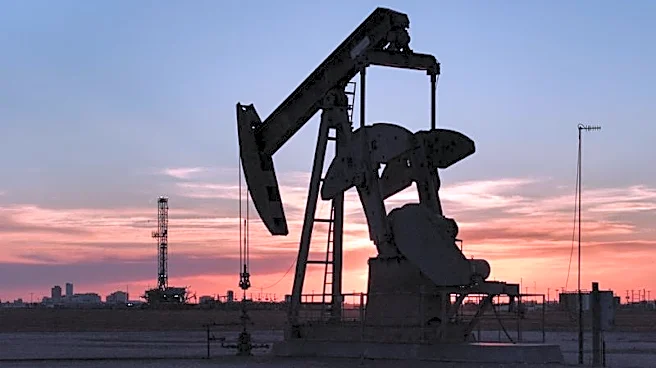
China is looking to increase its imports of U.S. oil as disruptions in the Strait of Hormuz continue to affect global oil and gas supplies. The strait, a critical chokepoint for global energy shipments,
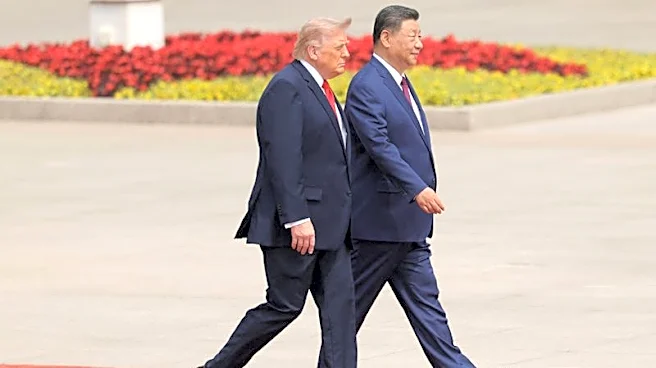
has been effectively shut by Iran in response to U.S. and Israeli airstrikes. This closure has disrupted a significant portion of the world's oil and liquefied natural gas exports, leading to increased prices. During a meeting in Beijing, Chinese President Xi Jinping expressed interest in purchasing more U.S. oil to reduce reliance on the strait, a move discussed with President Trump. Both leaders agreed on the importance of keeping the strait open to ensure the free flow of energy.
Why It's Important?
The closure of the Strait of Hormuz has significant implications for global energy markets, affecting prices and supply chains. China's interest in U.S. oil highlights the interconnectedness of global energy markets and the strategic importance of U.S. energy exports. This development could strengthen U.S.-China economic ties and provide a buffer against future disruptions in the strait. However, it also underscores the geopolitical tensions in the region, with potential impacts on global energy security and economic stability.
What's Next?
The situation in the Strait of Hormuz remains volatile, with potential for further disruptions. The U.S. and China may engage in further negotiations to solidify energy trade agreements, which could stabilize markets. Additionally, diplomatic efforts to resolve tensions in the Middle East will be crucial in ensuring the security of global energy supplies. Stakeholders, including energy companies and governments, will need to navigate these complexities to maintain stability.