






What's Happening?
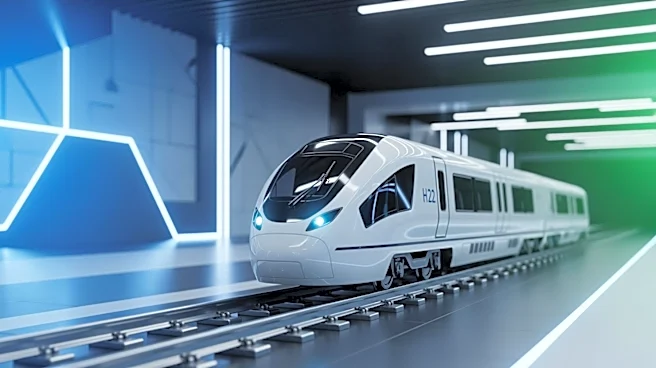
Romania has awarded a contract to Siemens Mobility for 12 hydrogen trains, a move initially seen as a step towards cleaner regional rail. However, the deal reveals significant governance issues, as it was finalized only after multiple failed tenders and
the loss of original financing under Romania's National Recovery and Resilience Plan. The contract, valued between €314 million and €490 million, aims to decarbonize non-electrified routes radiating from Bucharest. Despite the environmental promise, the procurement process faced challenges, including a lack of bids and compliance issues, raising questions about the project's viability and the country's commitment to hydrogen technology.
Why It's Important?
The situation underscores the complexities of adopting new technologies in public infrastructure projects. Romania's experience highlights the risks of pursuing hydrogen rail without a robust market or infrastructure in place. The repeated tender failures and financing issues suggest a need for better governance and strategic planning. This case serves as a cautionary tale for other countries considering similar projects, emphasizing the importance of aligning technological ambitions with practical and financial realities.