
What's Happening?
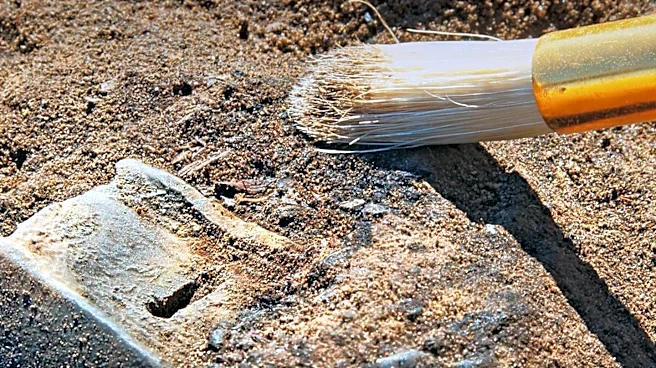
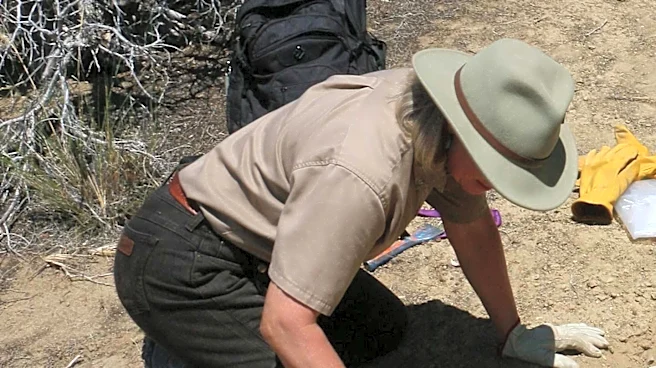
A well-preserved fossilized tooth from a Pacific mastodon was discovered in a creek within a San Francisco Bay Area preserve. Brigid Lynch, a geomorphologist at Balance Hydrologics, found the tooth earlier this year while working on a habitat restoration
project for the threatened California red-legged frog in a Midpeninsula Regional Open Space District preserve in San Mateo County. The tooth, approximately 9 inches long, is in excellent condition, retaining both its crown and root, with even the root canal visible. The discovery was announced by the public land management agency, which oversees over 70,000 acres in the Santa Cruz Mountains region. The fossil has since been donated to Stanford University’s Doerr School of Sustainability, where it will be studied and a 3D copy will be made for public outreach and education by the Midpeninsula Regional Open Space District. This find highlights the presence of extinct elephant-like species in the region thousands of years ago.
Why It's Important?
This discovery is significant for paleontology and local scientific understanding, providing a tangible link to prehistoric life in the San Francisco Bay Area. The excellent condition of the tooth offers researchers at Stanford University a valuable specimen for studying the Pacific mastodon, an extinct species that roamed North America until about 10,000 to 12,000 years ago. Such finds contribute to a broader understanding of ancient ecosystems, climate, and biodiversity in the region. For the Midpeninsula Regional Open Space District, the discovery underscores the importance of preserving open spaces and natural habitats, demonstrating that these areas can yield significant scientific and historical insights beyond their current ecological value. It also provides a unique educational tool for public engagement, connecting local communities with the deep history of their natural surroundings and emphasizing the ongoing value of conservation efforts.
What's Next?
Researchers at Stanford University’s Doerr School of Sustainability will likely undertake efforts to determine the exact age of the fossilized mastodon tooth. This process could involve various dating techniques to pinpoint when the mastodon lived. Additionally, a 3D copy of the tooth will be created and provided to the Midpeninsula Regional Open Space District. This replica will be utilized for public outreach and educational programs, allowing the public to engage with the discovery without handling the original fossil. The district plans to incorporate the mastodon tooth into its educational initiatives, further emphasizing the importance of preserving open spaces and the rich natural history embedded within these lands. The discovery may also prompt further paleontological surveys in the area, as such finds often indicate the potential for more fossils.
Beyond the Headlines
The discovery of the mastodon tooth in a habitat restoration area for the California red-legged frog subtly connects past and present conservation efforts. It highlights a continuous narrative of ecological change and the enduring value of natural landscapes. The fact that the tooth was found during a project aimed at protecting a currently threatened species underscores a broader message: preserving natural spaces not only safeguards existing biodiversity but also protects invaluable historical and scientific records embedded within the land. This find could inspire a deeper appreciation for the multi-layered significance of open spaces, moving beyond their immediate ecological benefits to include their role as archives of Earth's ancient past. It also serves as a reminder of the dynamic nature of ecosystems and the long-term impacts of environmental shifts, both natural and human-induced.