


What's Happening?
The International Energy Agency (IEA) has released its World Energy Outlook for 2025, which has reignited discussions about the future of oil demand. The report includes a 'Current Policies' scenario suggesting that oil demand will continue to grow until
2050, contradicting previous forecasts that anticipated a peak before 2030. This scenario assumes no further policy actions against climate change, reflecting political pressures, particularly from the U.S. government under President Trump. The IEA's report also includes a 'Stated Policies' scenario, which predicts a peak in oil demand by 2030, aligning with previous forecasts. The report highlights the influence of U.S. policy shifts, such as the reversal of Biden's renewable energy initiatives, on global energy forecasts.
Why It's Important?
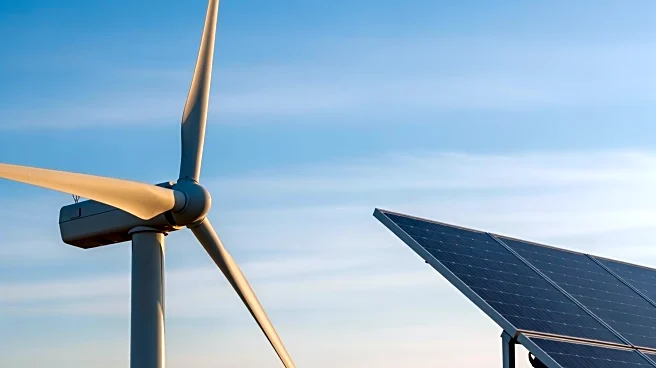
The IEA's report is significant as it underscores the impact of political decisions on global energy forecasts. The U.S., a major funder of the IEA, has shifted its stance under President Trump, favoring oil over renewable energy. This shift could influence global energy markets, potentially slowing the transition to renewable energy. The report's scenarios highlight the uncertainty in energy forecasts, driven by political and economic factors. The continued reliance on oil could have environmental implications, affecting global efforts to combat climate change. The report also suggests that while the U.S. may lag in renewable adoption, other regions, particularly developing countries, are advancing due to economic incentives.
What's Next?
The IEA's report may prompt further debate among policymakers, environmental groups, and industry stakeholders about the future of energy policy. The U.S. government's stance on energy could influence international climate agreements and the pace of renewable energy adoption globally. As the world grapples with climate change, the report may lead to calls for more aggressive policy measures to reduce reliance on fossil fuels. The energy transition's trajectory will likely depend on technological advancements, economic factors, and political will, with potential shifts in U.S. policy under future administrations playing a critical role.
Beyond the Headlines
The IEA's report highlights the complex interplay between politics and energy policy. The U.S.'s current pro-oil stance contrasts with global trends towards renewable energy, driven by economic and environmental considerations. The report suggests that developing countries may lead the energy transition, leveraging economic advantages of renewables and electric vehicles. This shift could alter global energy dynamics, reducing the influence of traditional oil-producing nations. The report also raises questions about the resilience of fossil fuels in the face of technological advancements and changing market conditions.