

What's Happening?
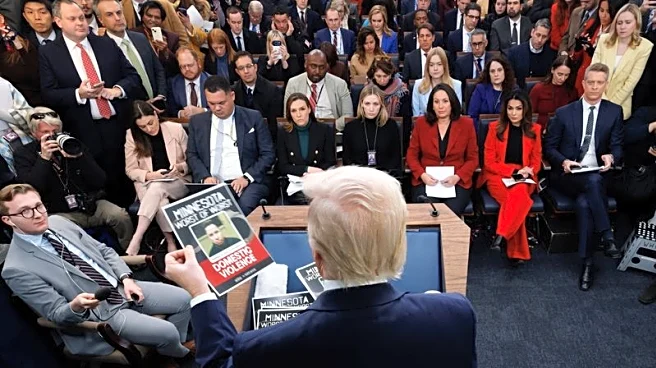
Federal Reserve Board Chair Jerome H. Powell is facing a criminal inquiry by the Justice Department, which alleges that he lied about the cost of renovations to Federal Reserve buildings. This development comes amid a long-standing feud with President
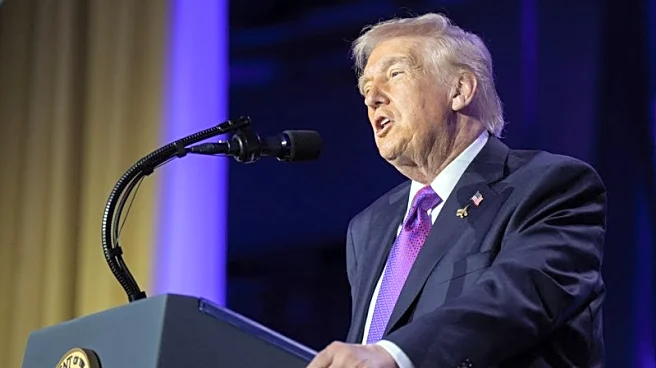
Donald Trump, who has frequently criticized Powell and pressured him to lower interest rates. The inquiry was revealed by Powell over the weekend, escalating tensions between the Federal Reserve and the Trump administration. The situation raises questions about the potential impact on the credibility and independence of the Federal Reserve, as well as the broader implications for U.S. monetary policy.
Why It's Important?
The criminal inquiry into Jerome Powell could have significant implications for the Federal Reserve's independence and its ability to conduct monetary policy free from political influence. President Trump's ongoing criticism and pressure on Powell highlight the challenges faced by the Fed in maintaining its autonomy. The inquiry could undermine trust in the central bank, potentially affecting its decision-making process and the stability of the U.S. financial system. The outcome of this investigation may also influence future appointments to the Fed and the broader relationship between the executive branch and the central bank.
What's Next?
As the inquiry unfolds, the Federal Reserve will need to navigate the legal and political challenges posed by the investigation. The outcome could impact Powell's tenure and the future leadership of the Fed, especially with the White House set to name a successor to Powell soon. The situation may also prompt discussions among policymakers and stakeholders about the need to safeguard the Fed's independence and ensure that monetary policy decisions are based on economic considerations rather than political pressures.