




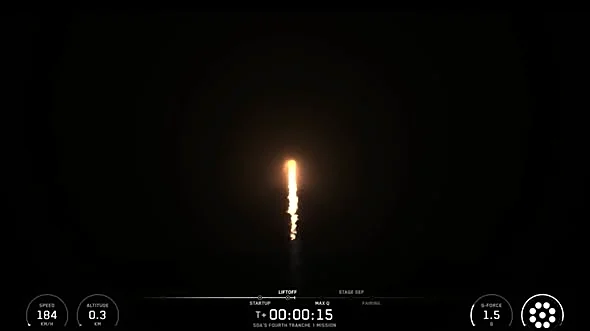

What's Happening?
The National Aeronautics and Space Administration (NASA) remains the United States' primary space agency, operating with a budget exceeding $25 billion and maintaining facilities across the nation, from Florida's Kennedy Space Center to California's Jet
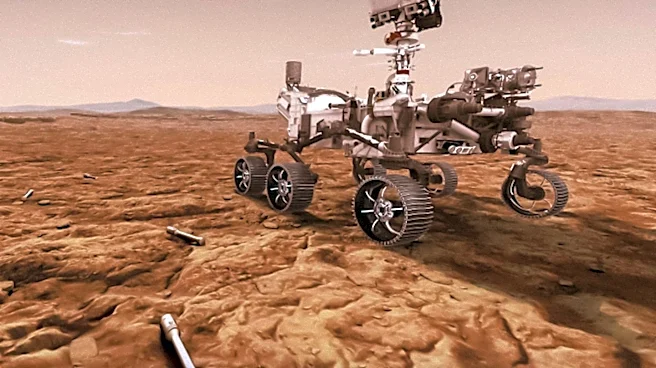
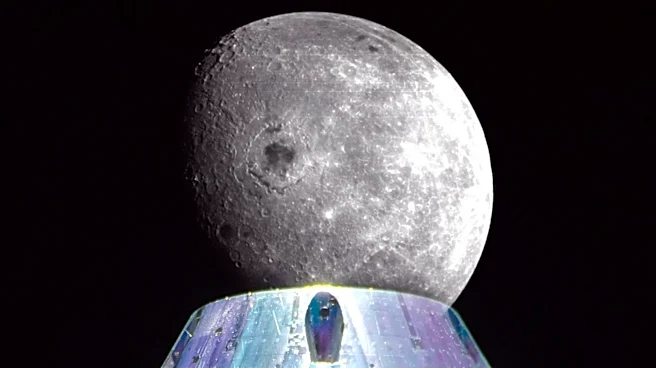
Propulsion Laboratory. NASA is actively engaged in several key initiatives, including the Artemis program, which aims to return humans to the Moon, and ongoing Mars exploration with the Perseverance rover. The agency also conducts regular cargo missions to the International Space Station. Despite its ambitious programs, NASA faces significant challenges such as budget constraints, technical setbacks, and increasing competition from private space companies. The agency is committed to upholding rigorous safety standards, a commitment reinforced by past tragedies. Beyond its well-known space missions, NASA's work encompasses critical climate research, Earth observation, and extensive educational outreach programs designed to inspire students globally. Its diverse workforce, comprising engineers, scientists, and support staff, contributes to groundbreaking discoveries that benefit humanity both on Earth and in space.
Why It's Important?
NASA's continued operations are crucial for advancing scientific knowledge, technological innovation, and national prestige. The Artemis program signifies a renewed focus on lunar exploration, potentially paving the way for future deep-space missions and resource utilization. Mars exploration efforts, particularly with the Perseverance rover, contribute to understanding the potential for extraterrestrial life and the planet's geological history. The agency's climate research and Earth observation initiatives provide vital data for understanding and addressing global environmental challenges, including climate change. Furthermore, NASA's educational outreach programs play a significant role in fostering interest in STEM fields among younger generations, ensuring a future pipeline of scientists and engineers. The challenges NASA faces, such as budget limitations and competition from private entities, highlight the evolving landscape of space exploration, where public and private sectors increasingly intersect and collaborate, or compete, for resources and mission objectives. Maintaining safety standards remains paramount, especially as human spaceflight endeavors become more frequent and complex.
What's Next?
NASA is expected to continue its progress on the Artemis program, with upcoming missions planned to further establish a human presence on the Moon. The Perseverance rover will proceed with its scientific investigations on Mars, potentially leading to new discoveries about the planet's past habitability. Regular resupply missions to the International Space Station will persist, supporting ongoing research in microgravity. The agency will also likely continue to adapt to the growing influence of private space companies, potentially forming more partnerships or navigating increased competition for resources and launch capabilities. Addressing budget constraints will remain a key focus, influencing the scope and pace of future missions. NASA's climate research and Earth observation efforts will continue to provide critical data, informing global strategies for environmental protection and climate adaptation. The agency will also maintain its commitment to educational outreach, aiming to inspire future generations in scientific and technological pursuits.
Beyond the Headlines
The ongoing evolution of NASA's role, particularly in light of increasing private sector involvement in space, presents deeper implications for the future of space exploration. This shift could lead to more innovative and cost-effective approaches to space travel and research, but it also raises questions about the balance between commercial interests and scientific exploration for the common good. The agency's focus on climate change and Earth observation underscores a growing recognition of space technology's critical role in addressing terrestrial problems, moving beyond purely extraterrestrial pursuits. The inspiration derived from NASA's missions extends beyond scientific curiosity, fostering a sense of national pride and encouraging international collaboration in complex scientific endeavors. The agency's commitment to safety, continually refined through lessons from past tragedies, highlights the inherent risks and ethical responsibilities associated with pushing the boundaries of human exploration. Ultimately, NASA's trajectory reflects broader societal values regarding scientific advancement, environmental stewardship, and humanity's place in the cosmos.