






What's Happening?
The U.S. Department of Energy (DOE) has renewed two emergency orders to reinforce Puerto Rico's electrical system as the island faces increased power demand and the 2026 hurricane season. These orders, initially issued in 2025, allow the Puerto Rico Electric
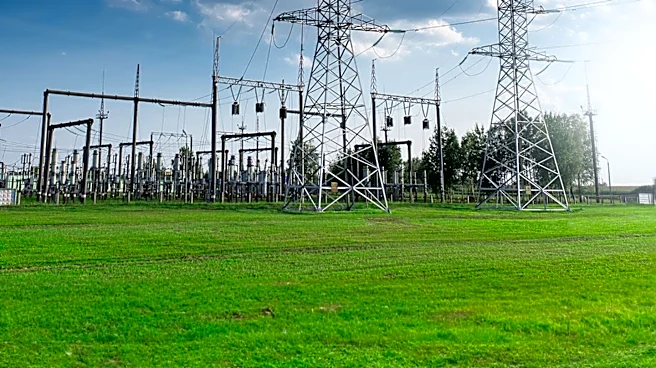
Power Authority (PREPA) to continue operating key generation units and expand vegetation management efforts to reduce outages and enhance long-term grid reliability. Energy Secretary Chris Wright emphasized that these directives are part of the federal government's broader initiative to modernize Puerto Rico's aging grid, aiming to build a more affordable, reliable, and secure energy system for American families and businesses. The orders address vulnerabilities such as limited generation capacity and vegetation encroachment near transmission lines, which have historically contributed to outages during storms.
Why It's Important?
The renewal of these emergency orders is crucial for Puerto Rico's energy infrastructure, as it aims to stabilize the grid and improve reliability amid rising demand and potential natural disasters. By enhancing generation capacity and vegetation management, the island can reduce service interruptions and prevent wildfires, which are critical for maintaining consistent power supply. This initiative supports the island's economic stability and growth, ensuring that businesses and families have access to reliable electricity. The federal support underscores the importance of modernizing infrastructure to withstand environmental challenges and meet future energy needs.
What's Next?
The DOE's continued focus on grid modernization in Puerto Rico suggests ongoing federal involvement in infrastructure improvements. As the island prepares for future hurricane seasons, further investments in technology and management practices are likely. Stakeholders, including local government and energy providers, may collaborate to implement advanced systems that enhance grid resilience. The success of these efforts could serve as a model for other regions facing similar challenges, potentially influencing broader U.S. energy policy and infrastructure strategies.