






What's Happening?
Human rights organizations, including Human Rights Watch and Amnesty International, have accused Israel of using white phosphorus in civilian areas in Lebanon. This chemical, which can cause severe burns and respiratory issues, is not banned under international
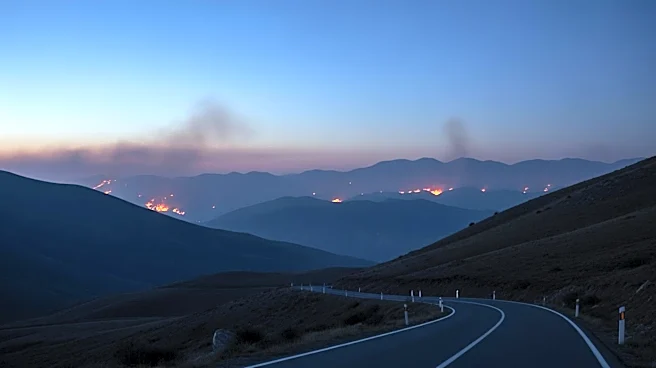
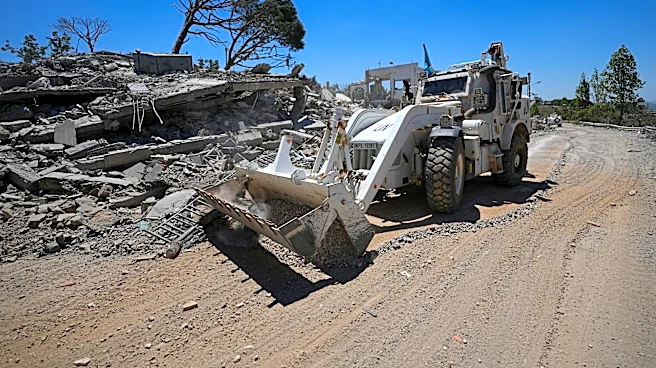
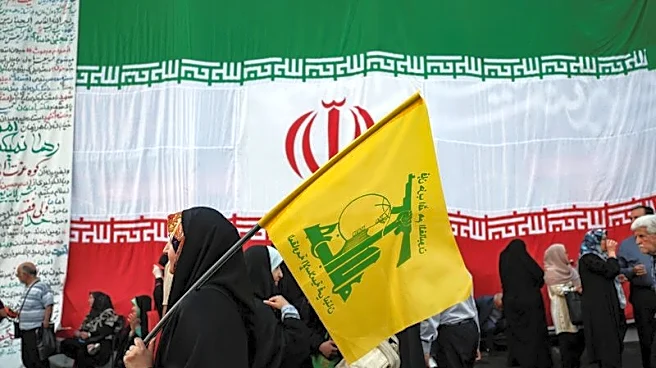
law but is illegal to use in populated areas due to its potential for widespread harm. The accusations come amidst ongoing conflict between Israel and Hezbollah, with recent Israeli airstrikes reportedly using the substance in towns like Nabatieh and Tyre. Israel denies using white phosphorus in a manner that violates international law.
Why It's Important?
The use of white phosphorus in conflict zones raises significant humanitarian concerns, as it poses severe risks to civilian populations. These allegations could lead to increased international scrutiny and criticism of Israel's military tactics, potentially affecting its diplomatic relations. The situation underscores the challenges of enforcing international humanitarian law in conflict zones and the ongoing tensions between Israel and Hezbollah. The accusations may also impact public opinion and influence future military engagements in the region.
What's Next?
International bodies and human rights organizations may call for investigations into the use of white phosphorus, potentially leading to diplomatic pressure on Israel. The ongoing conflict with Hezbollah could see further military actions, with the international community closely monitoring the situation. Israel may face calls to adhere to international law and reassess its military strategies to prevent civilian harm. The outcome of these developments could influence future peace negotiations and regional stability.